0%

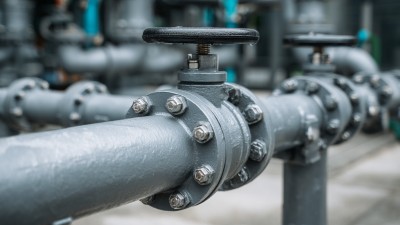
PVC-U valves are pretty much a must-have in many industrial and agricultural setups. Made from Polyvinyl Chloride Unplasticized (PVC-U), these valves are known for being tough and resistant to corrosion — which is a huge plus. I read somewhere that, according to a report by Global Market Insights, the PVC valve market is expected to hit around $4.2 billion by 2027. That just shows how much demand there’s been growing lately.

John Smith from Valves International, who's pretty knowledgeable about these things, mentioned, “The efficiency and cost-effectiveness of PVC-U valves make them a popular choice.” Honestly, his point really hits home — these valves can make operations smoother across different industries. Plus, they’re lightweight, so handling and installing them isn’t a pain.

That said, it’s not all smooth sailing. You’ve gotta keep up with proper maintenance to avoid leaks or other issues. And it’s worth mentioning that, while PVC-U valves are great, they’re not magic bullets — improper installation or using them in unsuitable conditions can lead to expensive repairs down the line. So, it’s super important to be careful and really think about where and how you’re using these valves when planning your projects.

What is Pvc-U Valves and How Are They Used?

What Are PVC-U Valves?

PVC-U valves are essential components in various fluid management systems. Made from unplasticized polyvinyl chloride, these valves exhibit excellent chemical resistance. They are widely used in agriculture, water distribution, and industrial applications. According to a recent industry report, the demand for PVC-U valves is projected to grow by 5% annually, driven by their durability and affordability.

These valves are lightweight and easy to install. Their non-corrosive nature ensures longer service life. Many industries prefer PVC-U valves for their ability to withstand a variety of chemicals. However, users should be aware of their limitations. In extreme temperatures, performance may decline. Some research indicates that improper installation can lead to significant leaks and failures.

Maintenance of PVC-U valves is crucial. Regular checks can prevent costly downtime. While they are robust, they are not immune to damage. Over time, exposure to UV light may degrade the material. Each system may have its own challenges. Operators need to adapt and find solutions to ensure optimal performance. Awareness and training are essential for teams handling these critical components.

PVC-U Valves Usage Analysis

Key Characteristics of PVC-U Valves

PVC-U valves stand out in plumbing due to their distinct characteristics. Made from unplasticized polyvinyl chloride, they offer excellent resistance to corrosion. Unlike metal valves, they aren't prone to rust. This ensures longevity and reliability in various applications. PVC-U valves are lightweight, making installation easy. Their chemical resistance is remarkable. They can handle a wide range of fluids, including acids and bases.

Another key feature is their smooth surface. This reduces friction and enhances flow rates. The valves are also available in various sizes. This flexibility allows for integration into different systems. However, improper installation can lead to leaks. Regular inspection is crucial to ensure functionality. Users may overlook this, leading to costly repairs. Effective use of PVC-U valves relies on understanding their limitations. They may not perform well in extreme temperatures. Hence, monitoring system conditions is vital for optimal performance.

Types of PVC-U Valves and Their Applications

PVC-U valves are essential components in various fluid systems, widely used in industrial and domestic applications. There are several types available, each serving a unique purpose. For instance, ball valves are popular for their reliable shut-off capabilities. They provide a tight seal, crucial in preventing leaks. Gate valves, on the other hand, allow for full flow when open and are frequently used in pipelines handling large volumes.

In terms of applications, PVC-U valves are common in water treatment, agriculture, and chemical processing. According to industry reports, the global PVC valve market is projected to grow at a 5% CAGR through 2026. This growth reflects the demand for corrosion-resistant materials. However, the reliance on these valves is not without issues. Some installations lead to premature failures due to improper sizing. Inadequate pressure ratings can also cause problems.

Installation errors can be costly. Many professionals overlook proper alignment during setup. This oversight can lead to reduced lifespan and functionality. Regular maintenance and inspection are critical. Without it, performance declines. Trends show that users are increasingly turning to automation in valve operations, enhancing efficiency. However, the effectiveness depends on precise sensor integration.

Installation Process of PVC-U Valves

Installing PVC-U valves requires careful preparation. Start by gathering all necessary tools and materials. Ensure you have PVC cement, cutters, and safety gear. Clean the areas to be bonded properly. This helps the cement adhere well.

Next, measure and cut the PVC pipes accurately. Ensure the cuts are clean and even to avoid leaks. Read the instructions on the valve and the cement carefully. Apply the PVC cement to both the pipe and the valve. Press them together firmly for a strong seal. This step seems simple but can lead to mistakes if not done right.

After assembly, allow the cement to cure for the recommended time. This is crucial for a durable installation. Once cured, check for any leaks by running water through the system. Small drips can indicate weak spots. If found, reapply cement as needed. The installation may not be perfect on the first try, so don’t hesitate to revisit your steps. Always document your process to improve future installations.

Maintenance Tips for PVC-U Valves

Maintaining PVC-U valves is essential for optimal performance. Regular inspections can help identify issues early. Check for leaks or unusual noises. These could signal a problem that needs immediate attention. A simple visual inspection can often reveal cracks or wear.

Cleaning is also critical. Dirt and debris can accumulate over time. Use a soft cloth for external surfaces. For the internal parts, consider flushing them with clean water. Avoid using harsh chemicals. They can damage the materials.

Additionally, lubrication is often overlooked. Apply a silicone-based lubricant to moving parts. This helps prevent sticking and ensures smooth operation. Neglecting this simple step can lead to bigger issues down the line. Keeping a schedule for regular maintenance can save time and money.

What is Pvc-U Valves and How Are They Used? - Maintenance Tips for PVC-U Valves

Aspect Details
Material PVC-U (Unplasticized Polyvinyl Chloride)
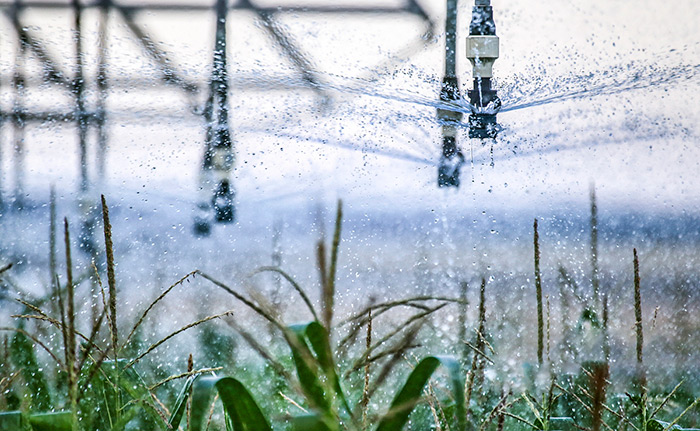
Common Uses Water distribution, chemical handling, irrigation systems
Advantages Corrosion resistance, lightweight, cost-effective
Maintenance Tips Inspect regularly, clean with mild detergent, check for leaks
Temperature Range Typically up to 60°C (140°F)
Installation Tips Ensure proper alignment, use appropriate fittings

Advantages of Using PVC-U Valves

PVC-U valves are widely used in various plumbing and industrial applications. Their lightweight nature makes them easier to handle during installation. This is particularly beneficial in large projects where multiple valves are required. PVC-U is resistant to corrosion, which extends the lifespan of the valves. This feature is crucial in environments with harsh chemicals.

One key advantage of using PVC-U valves is their cost-effectiveness. They tend to be cheaper than metals like brass or stainless steel. Over time, this can lead to significant savings on materials and maintenance. Additionally, PVC-U valves are less prone to leaking due to their solid construction. This reliability is essential when dealing with water or other fluids.

However, it's essential to consider the limitations. PVC-U valves may not be suitable for high-temperature applications. Users should assess their specific needs before making a choice. While these valves offer many benefits, reliance solely on them can be risky. Always think about the broader implications of your material choices in any project.

Common Issues and Troubleshooting PVC-U Valves

What is Pvc-U Valves and How Are They Used?

PVC-U valves are widely used in various applications. However, like any other mechanical component, they encounter issues. Common problems include leaks, blockages, and stiffness. These issues require proper troubleshooting to ensure optimal performance.

When facing leaks, first, check the seals. Sometimes, simply tightening the valve can fix the problem. If leaks persist, replacing the seals might be necessary. A visual inspection can reveal much about the state of the valve. Look for signs of wear or corrosion. Regular maintenance is crucial.

Blockages can occur due to debris accumulation. Clean the valve to restore proper flow. If stiffness is an issue, lubrication may help. However, too much lubrication can introduce contaminants. Always use the right amount. Reflecting on these details ensures more effective troubleshooting.

Tips: Regular maintenance prevents many common problems. Consider setting a schedule for inspections. Avoid using excessive force when operating valves. This can lead to more significant issues down the line.

Maximizing Efficiency and Safety: A Guide to Pntek Compact Ball Valves and PVC Pressure Reducing Solutions

When it comes to optimizing both efficiency and safety in fluid control systems, Pntek compact ball valves and PVC pressure reducing solutions serve as indispensable components. These products are designed to handle various pressure levels, specifically medium pressure ranging from 8 to 16 kgs, ensuring reliable performance across multiple applications. Ranging in size from 1/2 inch to 8 inches, these valves cater to a diverse set of requirements, adeptly managing different flow rates while maintaining structural integrity.

The use of high-quality plastic and rubber materials in the construction of these valves ensures not only durability but also flexibility in handling different operational environments. With a minimum order of just 2000 pieces, customers can easily acquire the required units without excessive investment. Additionally, customization options, including logos and packaging, enhance the adaptability of these products for specific operational needs, facilitating better integration into existing systems. The ability to order samples minimizes risk, allowing users to evaluate performance before committing to larger purchases. This approach significantly contributes to enhancing operational efficiency and safety in fluid management systems.

FAQS

: What is the primary goal of this service?

: The main goal is to provide useful information on various topics.

How can I access the service?

You can access it online via a web platform or app.

Is there a cost associated with using this service?

The service may have fees, but some features are free.

Can I trust the information provided?

While most information is reliable, always verify with multiple sources.

Are there any age restrictions to use the service?

Users should generally be at least 13 years old to access it.

What should I do if I encounter an error?

Report the error through the support channels for assistance.

How often is the content updated?

Content is updated regularly, but not always in real-time.

Can I suggest topics for discussion?

Yes, user suggestions are welcome and can enhance content variety.

What if I disagree with the information?

It’s okay to disagree, and critical thinking is encouraged.

Is there a way to provide feedback?

Feedback can be sent through the designated contact or form on the platform.

Conclusion

PVC-U valves are essential components in various piping systems, known for their durability and resistance to corrosion. These valves are made from unplasticized polyvinyl chloride, which provides high strength and excellent chemical resistance. Key characteristics of PVC-U valves include their lightweight nature, low maintenance requirements, and ability to withstand high pressures in various applications, making them suitable for water distribution, chemical processing, and irrigation systems.

The installation process of PVC-U valves is straightforward, which contributes to their popularity in both residential and industrial settings. Regular maintenance, such as inspecting for leaks and ensuring proper alignment, can enhance their longevity. However, users should be aware of common issues, such as blockages or seal failures, and employ troubleshooting techniques to resolve these problems effectively. The advantages of using PVC-U valves, including cost-effectiveness and ease of installation, solidify their position as a preferred choice in fluid management systems.

Isabelle

Isabelle

Isabelle is a dedicated marketing professional at Ningbo Pntek Technology Co., Ltd., a renowned supplier of plastic pipes, fittings, and valves with over 10 years of export experience. With a deep understanding of the company's core business, Isabelle excels in communicating the advantages of......
Previous How to Choose the Right 1 Inch PVC Valves for Your Plumbing Needs

Application

Underground pipeline

Underground pipeline

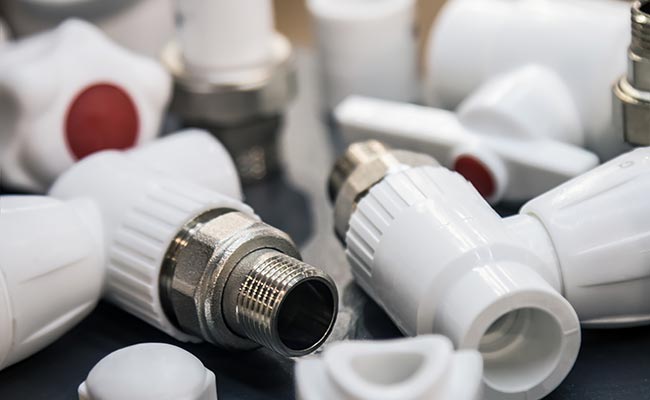
Irrigation System
Irrigation System

Water Supply System

Water Supply System

Equipment supplies

Equipment supplies