0%

PVC Y valves are pretty much essential when it comes to a bunch of piping setups. Their unique Y-shaped design makes it a breeze to control how fluids flow through the system. If you get the hang of how these valves work, it can really boost the reliability of your projects, no matter if you're doing some irrigation, drainage, or industrial work.

What’s cool about PVC Y valves is that Y shape—the way it diverts flow between two routes. That means you're able to split or redirect fluid smoothly. Many folks use them in landscaping, drainage systems, or heavy-duty industrial stuff. Companies like PVC Solutions counting on these valves says a lot about their dependability. Just a heads up though—getting them installed and maintained correctly is super important if you want things to work right.

Now, I’ve seen some people get a bit tangled up with the installation process. It’s really crucial to follow the manufacturer’s instructions closely—skipping steps or misaligning parts can cause leaks or mess up how the valve performs. Honestly, a lot of it comes down to hands-on experience—you kinda learn as you go. These PVC Y valves are pretty innovative, no doubt, but you gotta handle them carefully to really enjoy all their benefits without headaches.

What are PVC Y Valves and How are They Used?

Definition and Function of PVC Y Valves

What are PVC Y Valves and How are They Used?

PVC Y valves are versatile components commonly used in plumbing and fluid systems. These valves are designed to direct the flow of liquids in multiple directions. The unique shape resembles the letter "Y," allowing for efficient flow control. The design facilitates splitting a single flow into two paths, or combining two flows into one. This functionality is particularly beneficial in irrigation or drainage systems.

The primary role of PVC Y valves is to manage fluid direction. They help optimize flow in various applications, like garden systems or industrial processes. With their ease of installation, they are popular among DIY enthusiasts. These valves are made from durable PVC material, which resists rust and corrosion. However, improper installation can lead to leaks. Users must ensure that connections are tight and secure.

PVC Y valves come with various size options, catering to different plumbing needs. Choosing the right size is crucial, as a mismatch can hinder performance. Users sometimes overlook this detail, leading to inefficiencies. Proper maintenance is also necessary, even for durable materials. Regular inspections can help detect issues before they become significant problems.

Key Components of PVC Y Valves

PVC Y valves are essential in various piping systems. They allow fluid to flow in multiple directions. Understanding their key components is crucial for effective use.

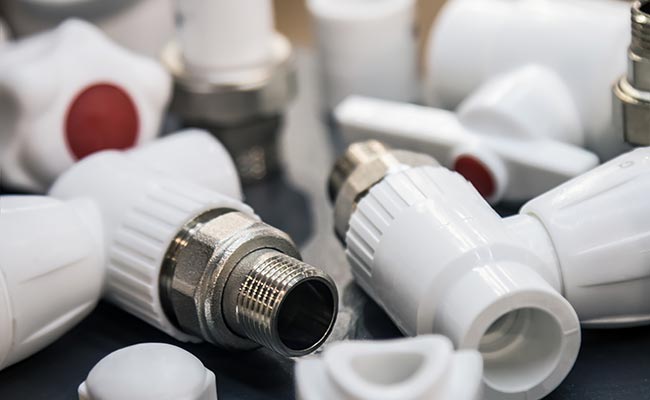
The body of the valve is typically made from durable PVC. This material is lightweight and resistant to corrosion. The design features two outlets and one inlet, creating a Y shape. This allows for versatile fluid distribution. A notable study indicates that PVC valves can handle pressures up to 150 PSI. Their functionality depends greatly on the seals and internal mechanisms.

Another critical part is the actuator. This can be manual or automatic. The choice affects how easily the valve operates. Recent industry reports highlight that manual actuators may lead to operational inconsistencies. Automatic actuators tend to increase efficiency but can be expensive. Regular maintenance is crucial; neglecting it can cause leaks and reduced performance. Understanding these components leads to better decision-making in installations.

Common Applications of PVC Y Valves

PVC Y valves are versatile components often used in plumbing and irrigation systems. These valves facilitate the flow of fluids in two directions, making them essential for applications that require splittings or diverting water or other liquids. Commonly, they are found in residential irrigation systems, aquariums, and swimming pools.

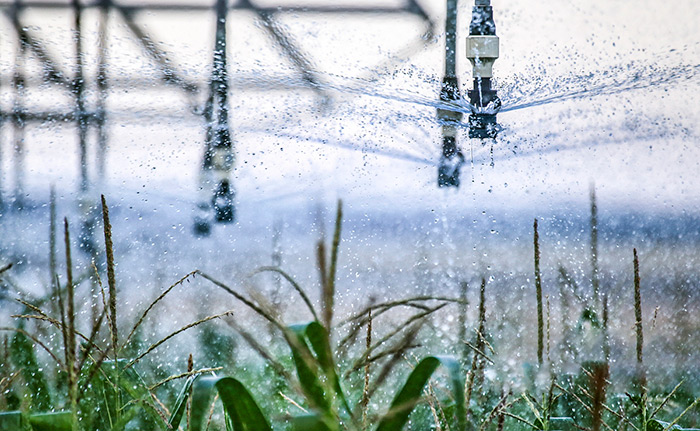
In irrigation, PVC Y valves help manage water distribution effectively. They can direct water to multiple hoses or irrigation lines. This allows for efficient water use, especially in gardens or large lawns. Without well-placed Y valves, uneven watering can occur, leading to dry patches or waterlogged areas. They are also crucial in aquariums. A Y valve can help redirect water flow, ensuring a healthy environment for aquatic life.

However, misuse of PVC Y valves can lead to problems. If not installed correctly, leaks may develop, which waste water and resources. Regular maintenance is also important. Clogging can occur from debris, and this can affect performance. Users should regularly inspect and clean the valves to ensure optimal flow and functionality. Even a well-designed system requires attention.

Common Applications of PVC Y Valves

Installation Process for PVC Y Valves

Installing PVC Y valves can be straightforward but requires attention to detail. Ensure you have the right tools and materials ready. Begin by cleaning the ends of the pipes. Use a cleaner designed for PVC. This step is crucial for a proper bond.

When joining the Y valve, apply a good amount of solvent cement. Make sure to coat both the pipe and the valve evenly. This ensures a strong connection. Push the pipe into the valve, holding it in place for about 30 seconds. This will help set the bond.

**Tip:** Double-check your measurements before cutting the pipes. This can save time and material. Also, be cautious with solvent cement. It can be tricky if over-applied.

Lastly, let the installation sit for at least 24 hours to cure properly. This prevents leaks in the future. Consider revisiting your installation for any overlooked details. It’s easy to miss something. Always be critical of your work.

What are PVC Y Valves and How are They Used? - Installation Process for PVC Y Valves

Aspect Details
Material PVC (Polyvinyl Chloride)
Common Sizes 1", 2", 3", 4"
Applications Irrigation systems, drainage systems, water supply
Installation Type Solvent welding, threaded connections
Benefits Corrosion resistance, lightweight, easy to install
Maintenance Low maintenance required
Disposal Recycle or dispose of as per local regulations

Maintenance and Troubleshooting of PVC Y Valves

Maintaining PVC Y valves is crucial for their longevity and performance. Regular inspections can prevent minor issues from escalating. Look for signs of leaks or cracks. If a valve is leaking, tighten the connections carefully. Be mindful not to overtighten, as this might cause damage. A visual check for debris buildup is also necessary. Any blockage can disrupt flow and may lead to more significant problems.


When troubleshooting, consider the valve's function. Is it operating smoothly? Erratic flow can indicate a malfunction. Remove the valve and inspect the internal components. Sometimes, a simple cleaning can resolve issues. Replace any worn-out seals promptly. Remember, even small tears can lead to failure.


Documentation of maintenance activities is essential. It helps track performance and any recurring issues. If a problem persists, it may be worth seeking professional help. Relying solely on personal judgment can lead to misdiagnosis. Regular maintenance requires commitment, and even experienced users can overlook details. Being attentive is key to ensuring optimal operation.

Advantages of Using PVC Y Valves

PVC Y valves are versatile components in fluid management. They allow for the division of fluid flow into two different pathways. This functionality is essential in applications like irrigation, aquaculture, and plumbing systems. By directing water efficiently, they enhance system performance and longevity.

The advantages of using PVC Y valves are numerous. They are lightweight, making installation easier and reducing shipping costs. Their resistance to corrosion is a significant bonus, especially in chemical applications. PVC Y valves also offer a lower price point compared to metal options. This makes them accessible for various projects, from residential to industrial.

However, there are considerations. PVC valves may not withstand extreme temperatures. They also require careful handling to avoid damage during installation. Understanding these aspects is crucial for effective use. Oversights can lead to leaks or inefficiencies in fluid management. Users must weigh these factors against the benefits.

Comparison with Other Valve Types

PVC Y valves are a unique type of valve that allow for the diversion of fluid flow. They are typically used in plumbing, irrigation, and various industrial applications. Unlike traditional straight valves, Y valves can split flow in two directions. This design is efficient for managing different fluid pathways. Users might find the installation straightforward, but sometimes the alignment can be tricky.

When comparing Y valves to other valve types, such as globe or ball valves, some differences emerge. Globe valves provide better throttling capabilities, while ball valves offer quick on/off control. However, Y valves can be more compact in size. In certain scenarios, they might not seal as effectively as ball valves. Users should consider their specific needs before deciding. Each valve has its pros and cons. Some might prefer the simplicity of Y valves, while others may need a more robust solution. Ultimately, the choice depends on the application and the desired flow characteristics.

FAQS

: What is the main purpose of this article?

: The article aims to provide useful information and insights on a specific topic.

Who is the target audience?

The intended readers are individuals interested in learning more about the subject matter.

How can I apply the information?

Readers can implement the suggestions and strategies discussed to enhance their understanding and skills.

Are there any specific techniques mentioned?

Yes, the article details methods that can be easily integrated into daily routines.

What should I consider before trying these techniques?

Evaluate your current situation and readiness to adopt new practices.

Is there a risk of failure?

Trying new approaches may lead to mistakes, but this can be a learning opportunity.

How often should I revise my strategies?

Regularly assess your progress and adjust your strategies as needed for better results.

Can I share this information with others?

Absolutely, sharing knowledge can lead to valuable discussions and collective growth.

What if I don't see immediate results?

It’s essential to remain patient and consistent; results often take time to manifest.

How do I know if I'm on the right track?

Monitor your progress and reflect on both achievements and challenges faced along the way.

Conclusion

PVC Y valves are essential components in plumbing and fluid control systems, distinguished by their unique Y-shaped design that allows for the efficient diversion or merging of flow. These valves consist of key components including a valve body, handle, and sealing mechanisms, which work together to regulate the flow of liquids and gases in various applications.

The installation process involves careful positioning and sealing to ensure leak-free operation, while routine maintenance is crucial for optimal performance, focusing on cleaning and inspecting for wear. PVC Y valves are commonly used in irrigation systems, pool maintenance, and industrial applications due to their durability and cost-effectiveness. Their advantages over other valve types, such as lighter weight and resistance to corrosion, make them a preferred choice for many users. Additionally, understanding the maintenance and troubleshooting aspects is vital for ensuring their longevity and reliability in any system.

Isabelle

Isabelle

Isabelle is a dedicated marketing professional at Ningbo Pntek Technology Co., Ltd., a renowned supplier of plastic pipes, fittings, and valves with over 10 years of export experience. With a deep understanding of the company's core business, Isabelle excels in communicating the advantages of......
Previous How to Choose the Right 1 Inch PVC Valves for Your Plumbing Needs

Application

Underground pipeline

Underground pipeline

Irrigation System
Irrigation System

Water Supply System

Water Supply System

Equipment supplies

Equipment supplies