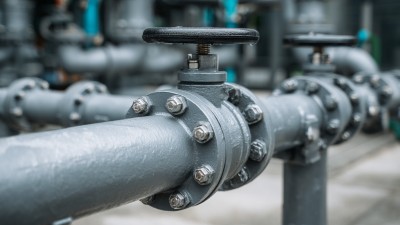
When it comes to industrial applications, PVC ball valves really hold their ground. They're known for being reliable and versatile, which is why so many manufacturers prefer them. If you're on the hunt for the best options out there, it’s pretty important to get a good grasp of what these valves actually offer. Knowing their features and benefits can make a big difference when you’re trying to make the right choice.
PVC ball valves tend to be pretty durable and resistant to corrosion, which is a big plus. Brands like Hayward and GF Piping Systems have built solid reputations in this space. But hey, not all products are created equal—some meet higher quality standards than others. So, it’s really worth doing your homework on your suppliers. A little research upfront can save you from a lot of headaches later on.
As you start checking out the top PVC ball valves, think about what your project actually needs. Pay attention to things like size and pressure ratings, and don’t forget to read customer reviews or expert opinions. Taking this kind of approach can really boost your chances of picking a valve that’s dependable and fits your needs perfectly.
When considering PVC ball valves, various types are available to suit different applications. The most common are standard PVC ball valves, which offer excellent corrosion resistance and durability. These valves can operate in temperatures up to 140°F (60°C). Their affordability makes them popular for both industrial and residential use.
Specialty PVC ball valves are designed for specific scenarios. For instance, ultra-pure PVC ball valves are crucial in pharmaceutical and food industries. They prevent contamination during processes, ensuring safety and compliance. According to a market analysis by Grand View Research, the global PVC valves market is expected to grow at a CAGR of 5.2% from 2023 to 2030.
Corrosive-resistant PVC ball valves are ideal for chemical handling. They handle aggressive substances effectively and minimize leakage risks. However, factors like improper installation can lead to performance issues. Buyers should prioritize reliable sourcing to avoid low-quality products that affect system integrity. Proper training on valve maintenance is equally important to enhance longevity and reliability.
When choosing PVC ball valves, several key features warrant consideration. The valve's size is crucial. Ensuring proper sizing can prevent flow issues. The diameter affects the pressure and fluid resistance. Studies show that improper sizing can lead to a 25% decrease in system efficiency.
Material quality is another critical factor. Look for valves made from high-grade PVC. This adds durability and resistance to corrosive substances. Research indicates that high-quality PVC can extend the valve's lifespan significantly. Valves should also withstand various temperatures, ranging from 0°C to 60°C.
Tips: Always check for certifications. A certified valve guarantees compliance with industry standards. Don't overlook the importance of the valve's design. A well-designed valve minimizes potential leaks and failures.
Lastly, consider the valve's configuration. Full port designs reduce pressure drops, optimizing fluid flow. However, they are not always more cost-effective. Balancing quality and price can be challenging. Evaluating these aspects thoughtfully can lead to better long-term performance and reliability.
| Feature | Specification | Application | Temperature Range | Pressure Rating |
|---|---|---|---|---|
| Material | PVC | Water Supply | 0 to 60°C | 150 PSI |
| Size Options | 1/2" to 4" | Chemical Processing | -10 to 60°C | 200 PSI |
| Valve Type | Full Port | Irrigation | 0 to 40°C | 100 PSI |
| Actuation | Manual, Electric, Pneumatic | Industrial Applications | -20 to 50°C | 250 PSI |
PVC ball valves are widely used across various industries due to their durability and resistance to corrosion. These valves play a crucial role in applications such as water treatment, chemical processing, and irrigation systems. Their lightweight nature makes them easy to install and handle, which is essential in many industrial settings.
In the water treatment industry, PVC ball valves are employed for controlling flow rates efficiently. They help manage the distribution of water, ensuring that treatment processes run smoothly. In the chemical processing sector, these valves handle various chemicals safely, preventing leaks and contamination. Their reliability in high-pressure situations adds to their appeal.
Another sector that benefits from PVC ball valves is agriculture. These valves are essential for irrigation systems, allowing precise control over water flow. However, even with their advantages, users must consider potential downsides. For example, improper installation can lead to failures. Regular maintenance is necessary to ensure they function effectively over time. Each application presents unique challenges, requiring thoughtful consideration.
PVC ball valves offer several advantages that make them a preferred choice in various industries. One key benefit is their resistance to corrosion. Unlike metal valves, PVC does not rust. This property extends the lifespan of the valve and reduces maintenance costs. Many industries, including chemical and wastewater sectors, benefit from this feature.
Another notable advantage is their lightweight nature. PVC ball valves are easy to handle and install. This can significantly reduce the labor costs associated with installation and maintenance. Additionally, they provide excellent sealing capability. This ensures minimal leakage, which is crucial in sensitive applications. However, one must consider the limitations of PVC, such as its sensitivity to high temperatures and pressures.
In terms of cost, PVC ball valves are generally more affordable compared to metal options. Businesses can save money on both purchase and operational expenses. Yet, it is essential to assess the specific application requirements before making a choice. Factors like fluid type and temperature must be taken into account. This reflection can lead to better long-term performance and reliability of the valves used.
When it comes to PVC ball valves, knowing the top manufacturers can guide buyers toward quality options. The global market for these valves is projected to grow significantly, reaching around $4 billion by 2026, according to a recent industry analysis. This demand is driven by increased use in water management systems and industrial applications.
Many manufacturers focus on durability and efficiency. Some present advanced designs that ensure low maintenance and high performance. Buyers should also consider the certifications and industry standards met by different brands. Recent surveys indicate that around 70% of users prioritize reliability when selecting valves for crucial systems.
However, not all brands live up to expectations. Cases of leaking or faulty valves have been reported. Manufacturers need to continuously improve their quality assurance processes. Proper evaluation of user experiences is essential for making informed decisions. Experts suggest that buyers should also analyze warranty offerings and customer service responsiveness, as these reflect a manufacturer's commitment to their products.
PVC ball valves are essential components in various systems. Regular maintenance ensures their longevity and efficiency. Proper care can prevent leaks and malfunctions. Here are some tips to keep in mind.
Wipe the exterior frequently. This simple step removes dirt and debris. It helps identify any leaks early. Keep an eye on the valve seals. If you notice wear or damage, consider replacement. Regular checks can prevent unexpected repairs.
Inspect the valve operation. Rotate the handle fully to ensure ease of movement. If it feels stiff, apply a lubricant made for PVC. Avoid harsh chemicals that could damage the valve. Always store valves in a dry area to prevent moisture accumulation. This simple habit can extend their lifespan significantly.
Remember that even with the best maintenance, issues may still arise. It’s essential to stay observant and proactive. Developing a routine can help catch potential problems before they escalate. Keeping your PVC ball valves in great shape requires attention to detail.
When considering PVC ball valves, cost factors play a significant role. Prices can vary widely based on material quality and manufacturer reputation. Reports indicate that the global average price for standard PVC ball valves ranges from $5 to $30 per unit. Some premium models may reach even higher prices, reflecting advanced features or durability.
Installation costs also influence overall expenses. Skilled labor can charge up to $70 per hour, depending on location. Moreover, supply chain fluctuations impact pricing trends. Recent studies show that raw material costs, particularly for PVC, have risen by about 15% over the past two years. This increase directly affects wholesale and retail prices.
Market demand is another key factor. In sectors like agriculture and water management, the need for reliable, cost-effective solutions drives purchases. Trends indicate a shift toward eco-friendly materials, which can initially be more expensive. However, these products often lead to long-term savings through reduced maintenance and energy efficiency. As you navigate this market, staying informed about these elements is crucial for making savvy purchasing decisions.
Innovative solutions for pressure management are essential in various industrial applications, and the Pntek Compact Ball Valve along with the PVC Pressure Reducing Valve stand out as exemplary options. These products offer reliable and efficient control over medium pressure ranges of 8-16 kgs, ensuring optimal performance across different environments. Available in various sizes—from ½ inch to 6 inches—these valves cater to diverse operational needs, providing flexibility and convenience for users handling different systems.
The construction materials, primarily plastic and rubber, contribute to the durability and longevity of these valves, making them a cost-effective choice for businesses looking to optimize their pressure management systems. The valves can be customized with logos and packaging options for bulk orders, adding a personalized touch to standard industrial products. With competitive pricing starting as low as $0.10 per piece and a minimum order of 2000 pieces, these innovative solutions represent a smart investment for companies seeking to enhance their infrastructure with high-quality pressure control devices.
: PVC ball valves are used in water treatment, chemical processing, and agriculture, among others.
They efficiently control flow rates and help manage water distribution during treatment processes.
Regularly wipe the exterior and check seals for wear. This helps prevent leaks and malfunctions.
If the handle is stiff, apply a lubricant designed for PVC. Avoid harsh chemicals that can cause damage.
Prices range from $5 to $30 per unit, but premium models may cost more due to added features.
Prices vary due to material quality, installation costs, market demand, and raw material fluctuations.
Yes, improper installation can lead to failures. Regular maintenance is essential for their function.
Store them in a dry area and develop a routine for inspections to catch problems early.
There's a growing preference for eco-friendly materials, which may impact initial costs but offer long-term savings.
Users often neglect regular checks, which can lead to unexpected repairs if issues aren't addressed early.
This article provides a comprehensive overview of PVC ball valves, a popular choice among global buyers due to their affordability and versatility. It explores the various types of PVC ball valves available in the market, highlighting key features to consider when selecting the right valve for specific applications. The article also examines the diverse industries that utilize PVC ball valves, emphasizing their benefits over traditional materials, such as resistance to corrosion and lower maintenance needs.
Additionally, the piece discusses maintenance and care tips to extend the lifespan of PVC ball valves and outlines the cost factors and pricing trends influencing the market. By understanding these aspects, buyers can make informed decisions when selecting PVC ball valves that best meet their needs, ensuring optimal performance in their operations.