Blogs
-

Gate valve basics and maintenance
A gate valve is a widely used general-purpose valve that is rather common. It is mostly utilized in the metallurgical, water conservation, and other sectors. The market has acknowledged its broad range of performance. Along with studying the gate valve, it also conducted a more thorough investiga...Read more -

Globe valve basics
Globe valves have been a mainstay in fluid control for 200 years and are now found everywhere. However, in some applications, globe valve designs can also be utilized to manage total shutdown of fluid. Globe valves are typically used to control fluid flow. Globe valve on/off and modulating usage ...Read more -

Ball valve classification
The essential components of a ball valve are a valve body, a valve seat, a sphere, a valve stem, and a handle. A ball valve has a sphere as its closing section (or other driving devices). It revolves around the axis of the ball valve and is propelled by the valve stem. It is primarily used in pip...Read more -
Relief valve
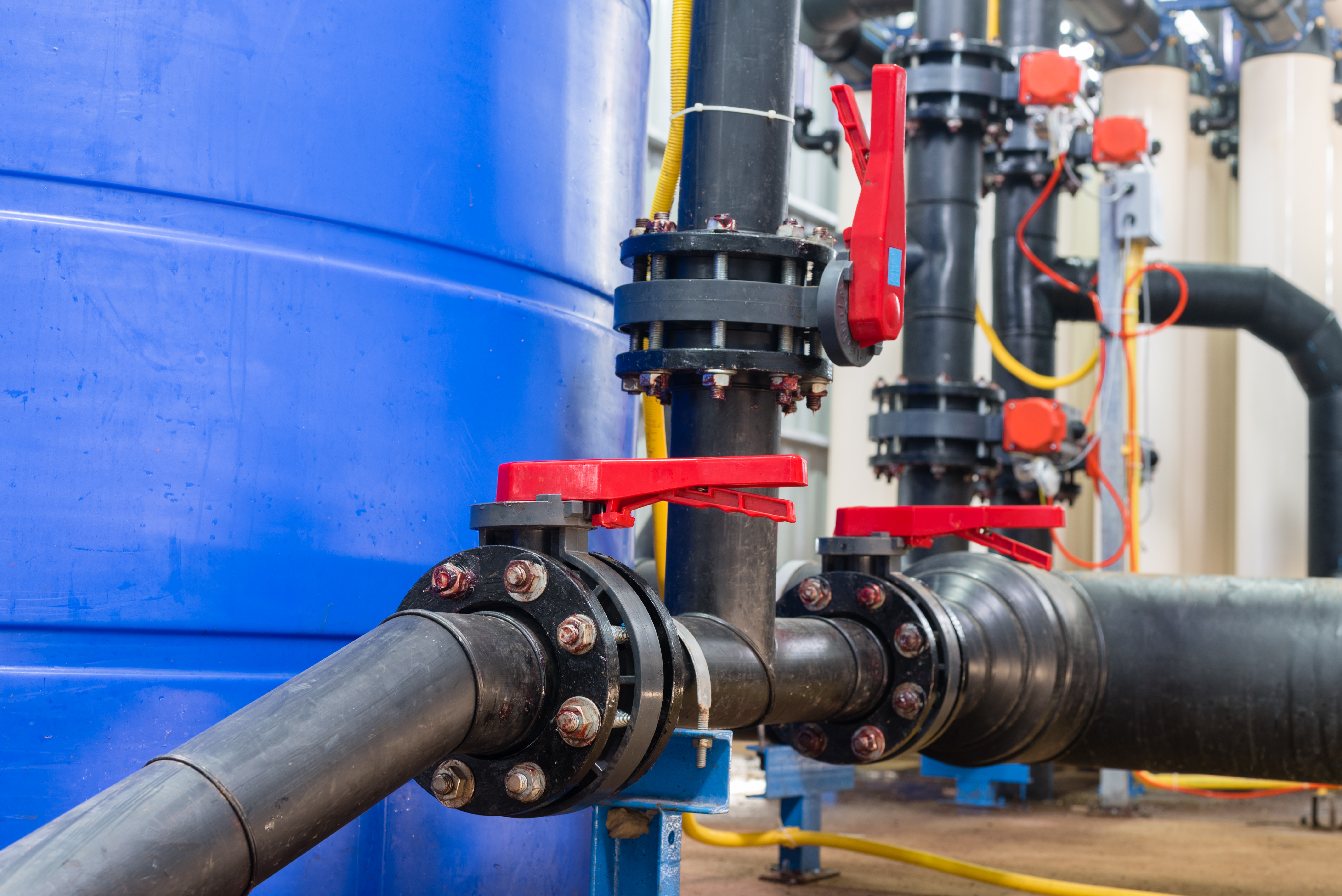
A relief valve, also known as a pressure relief valve (PRV), is a type of safety valve used to regulate or limit the pressure in a system. If the pressure weren’t controlled, it may build up and result in process disruption, instrument or equipment failure, or fire. By enabling the pressure...Read more -
Working principle of butterfly valve
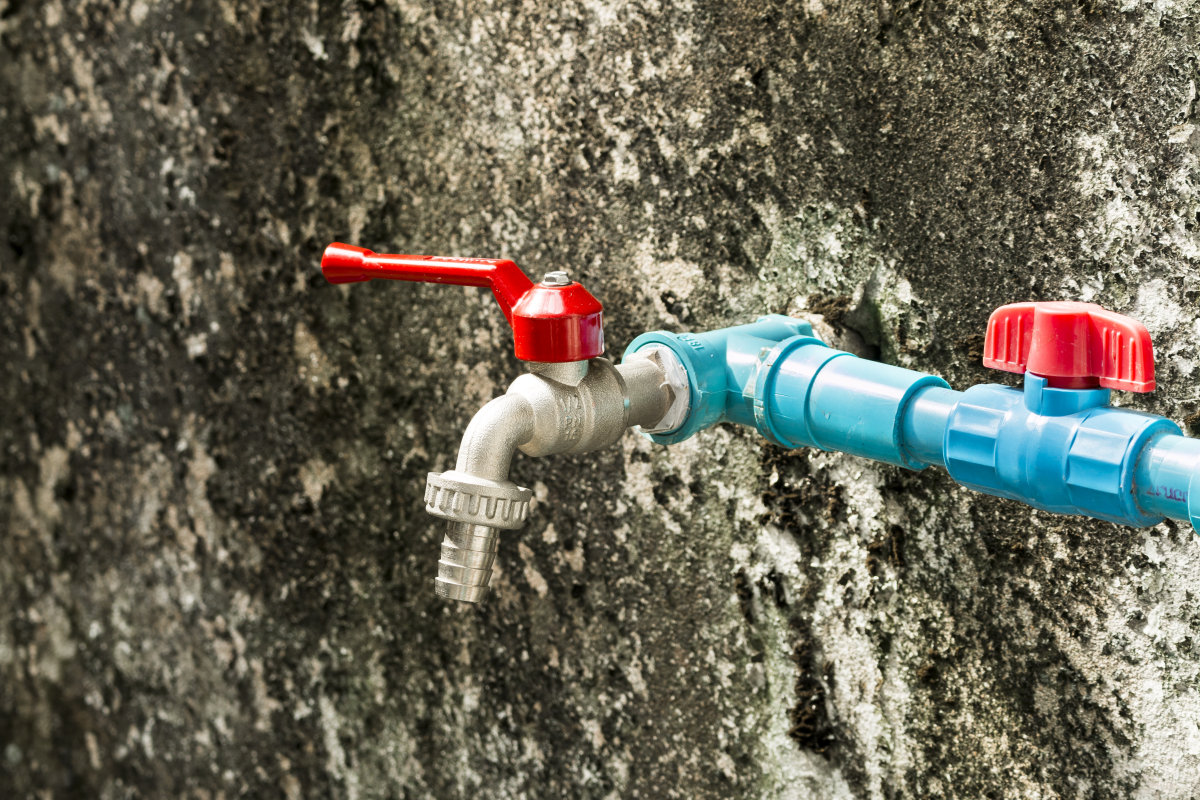
working principle A butterfly valve is a type of valve that adjusts the flow of medium by opening or closing it by turning back and forth roughly 90 degrees. In addition to its straightforward design, small size, light weight, low material consumption, easy installation, low driving torque, and q...Read more -
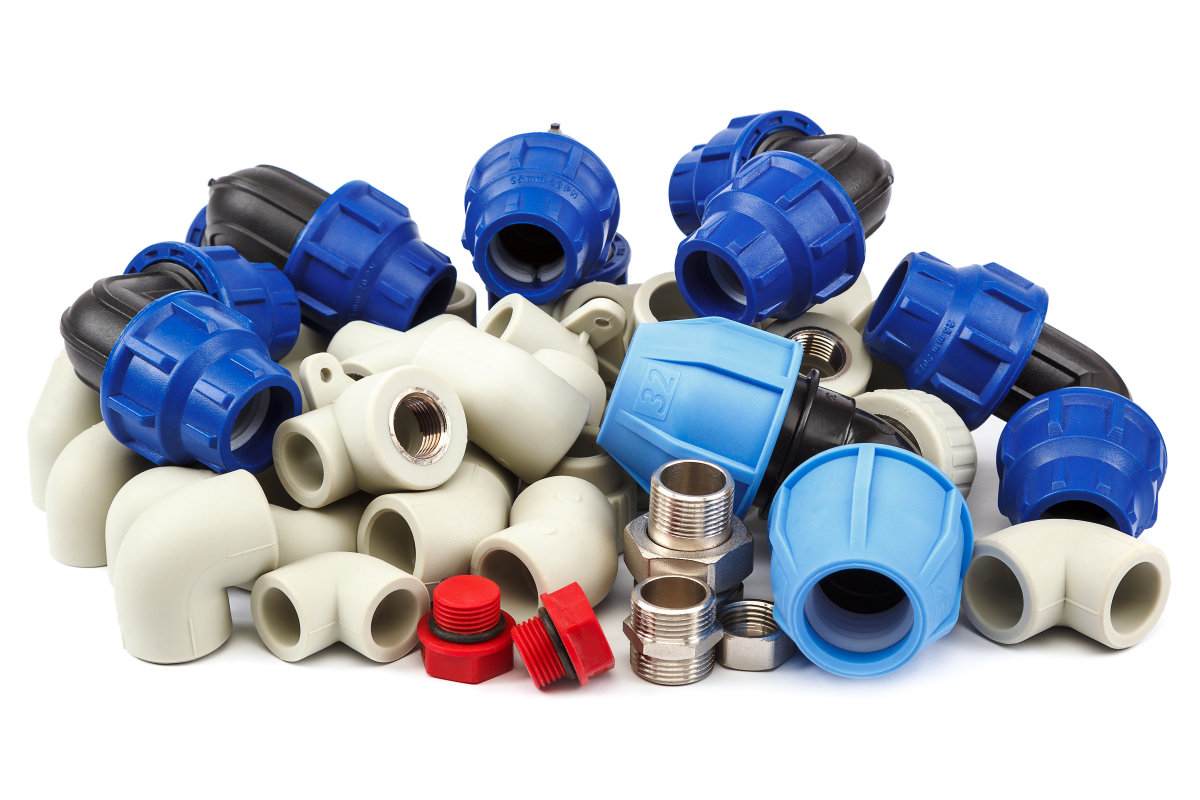
The use of HDPE pipe
Wires, cables, hoses, pipes, and profiles are only a few applications for PE. Applications for pipes range from 48-inch-diameter thick-walled black pipes for industrial and urban pipelines to small cross-section yellow pipes for natural gas. The use of large diameter hollow wall pipe in place of ...Read more -
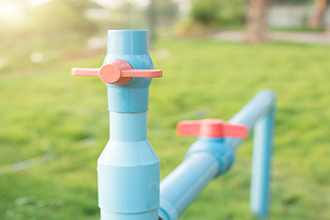
Polypropylene
Three-type polypropylene, or random copolymer polypropylene pipe, is referred to by the abbreviation PPR. This material uses heat welding, has specialized welding and cutting tools, and has a high plasticity. The cost is also quite reasonable. When an insulating layer is added, the insulation per...Read more -
Application of CPVC
A novel engineering plastic with numerous potential uses is CPVC. A new kind of engineering plastic called polyvinyl chloride (PVC) resin, which is used to make the resin, is chlorinated and modified to create the resin. The product is a white or light yellow powder or granule that is odorless, t...Read more -
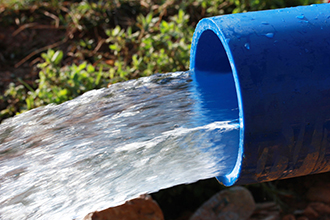
How Butterfly Valves Work
A butterfly valve is a kind of valve that can be opened or closed by turning back and forth around 90 degrees. The butterfly valve performs well in terms of flow regulation in addition to having good closing and sealing capabilities, simple design, small size, light weight, low material consumpti...Read more -
Introduction of PVC pipe
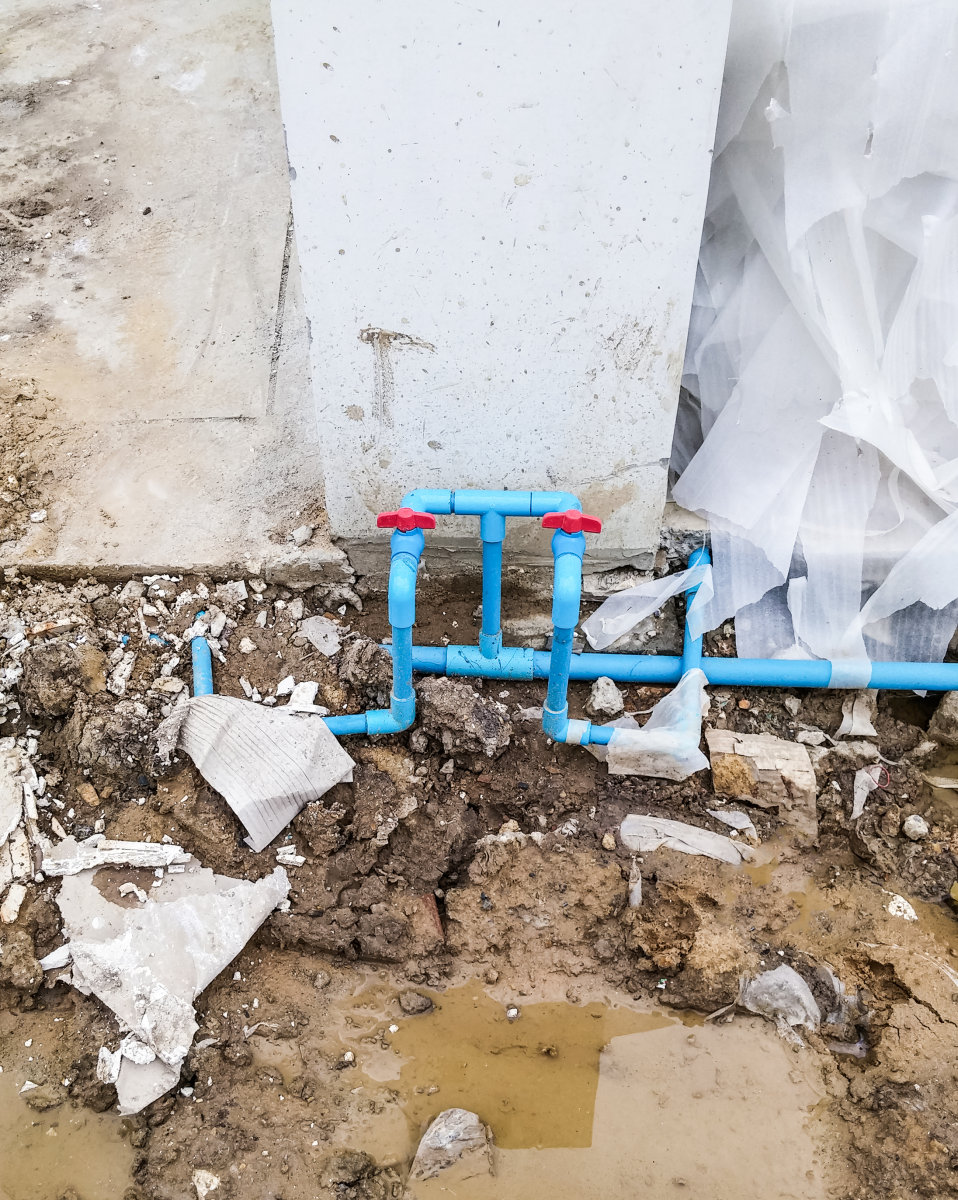
PVC pipes’ benefits 1. Transportability: UPVC material has a specific gravity that is only one-tenth that of cast iron, making it less expensive to ship and install. 2. UPVC has high acid and alkali resistance, with the exception of strong acids and alkalis close to the saturation point or ...Read more -
Introduction of check valve
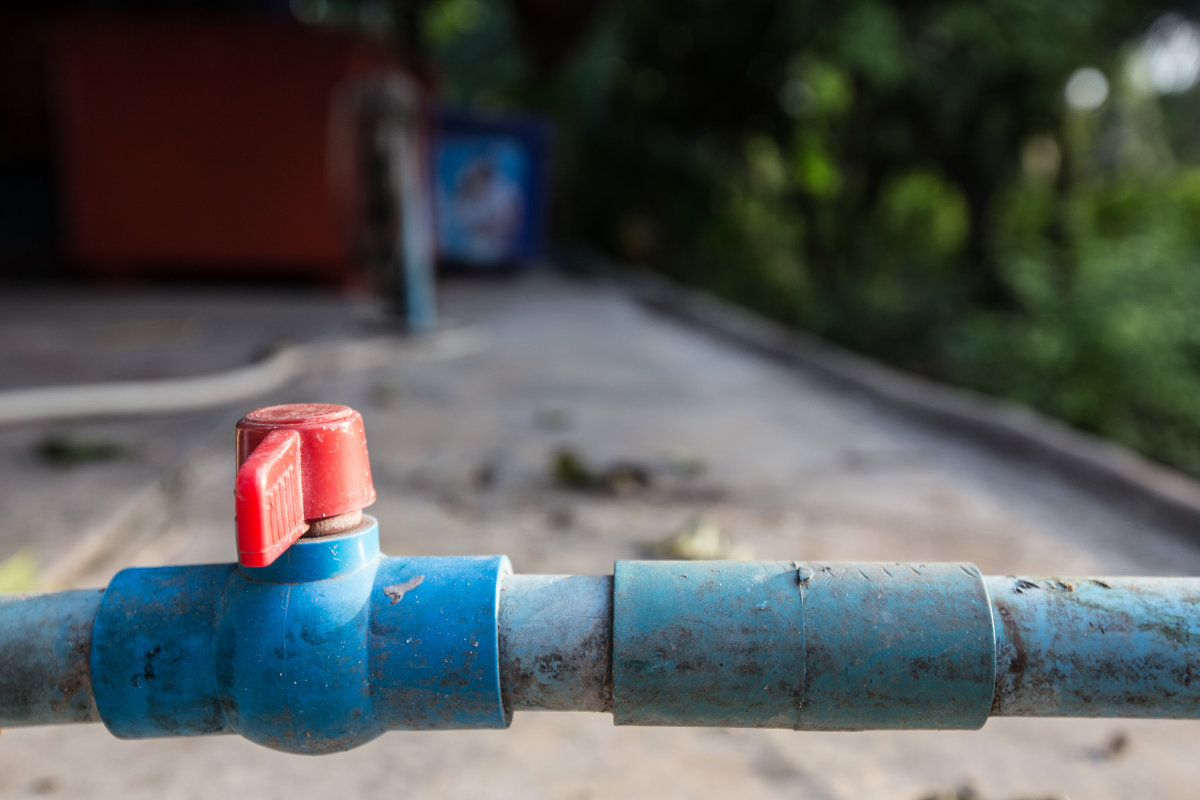
A check valve is a valve whose opening and closing components are discs, which by virtue of their own mass and operating pressure prevent the medium from returning. It is an automatic valve, also referred to as an isolation valve, return valve, one-way valve, or check valve. Lift type and swing t...Read more -
Introduction to Butterfly Valve
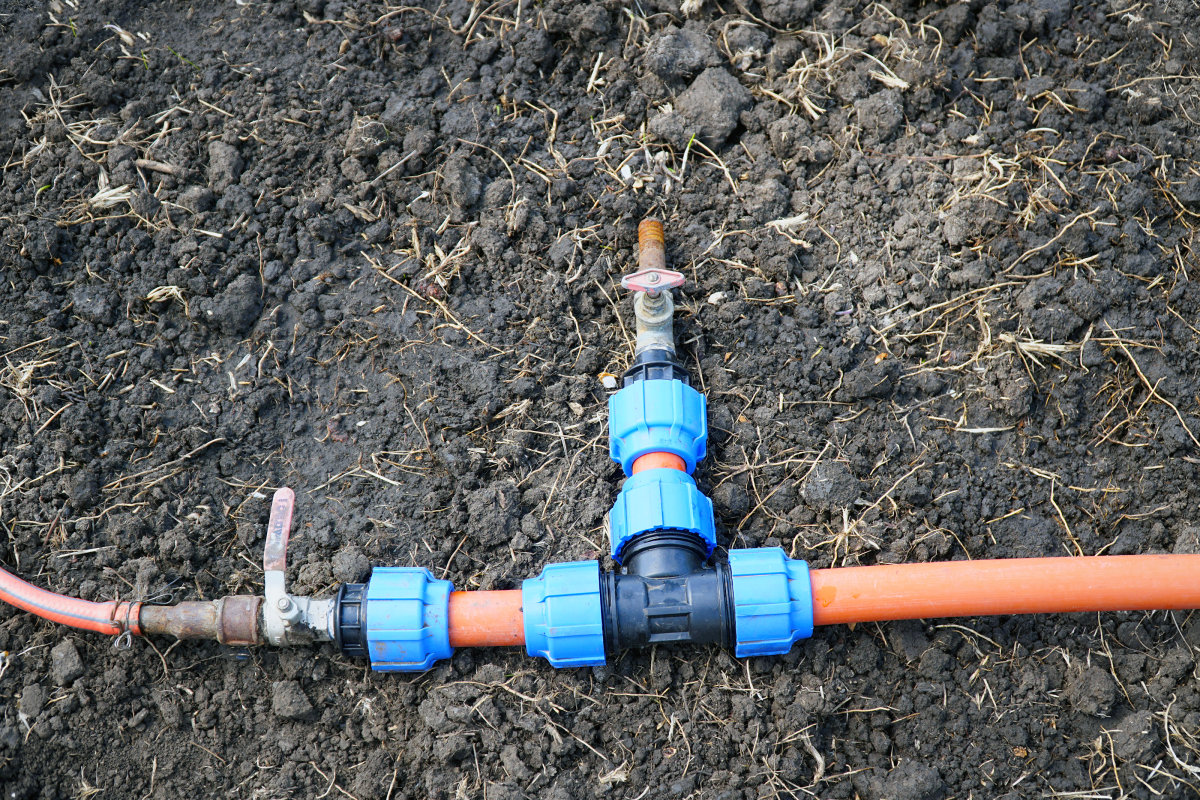
In the 1930s, the butterfly valve was created in the United States, and in the 1950s, it was introduced to Japan. While it did not become commonly utilized in Japan until the 1960s, it did not become well-known here until the 1970s. The butterfly valve’s key characteristics are its light we...Read more