
In today’s fast-changing world of industrial tech, picking the right PVC air valve is more than just a technical task — it's a pretty important decision for engineers and project folks alike. With new materials and better ideas coming out all the time, the right valve can really make a difference in how smoothly things run and how much you end up spending. As John Smith, a well-known expert in PVC air valves, puts it, ‘Choosing the right PVC air valve isn’t just about functionality — it’s about making your whole system more reliable and efficient.’
Looking ahead to 2025, the market’s pretty packed with different options and specs, so it’s crucial to consider things like pressure ratings, size, and whether the valve fits with your current setup. These valves are super important in all kinds of applications — whether it’s water treatment plants or pneumatic systems — so knowing their specs really matters if you want your system to last and perform well.
In this guide, I’ll walk you through the key points to keep in mind and share some expert tips to help you pick the right PVC air valve for your needs. The goal? Make sure your system runs at its best, with fewer risks and less costly maintenance. Whether you’re upgrading old equipment or designing something new, making smart choices about PVC air valves can really help set your project up for success.

Understanding the Basics of PVC Air Valves and Their Applications
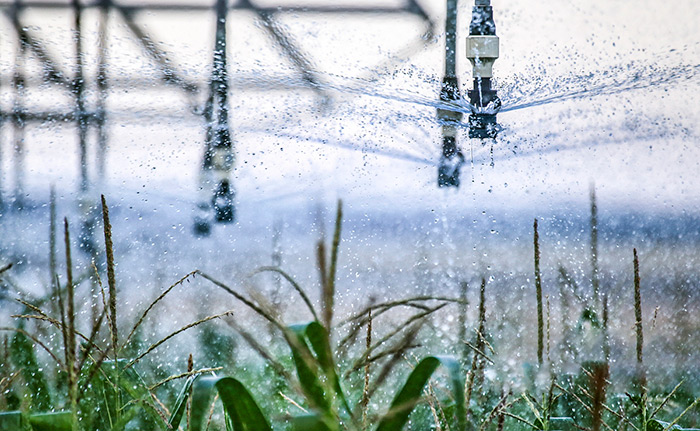
PVC air valves are essential components in various fluid management systems, allowing for the efficient control of air flow and pressure. Typically used in municipal water systems, irrigation, and industrial applications, these valves function to release trapped air and prevent vacuum conditions, which can lead to system damage. Understanding the operational principles behind PVC air valves is crucial for selecting the right type for specific applications.
There are different types of PVC air valves, including automatic, manual, and combination valves. Each type serves distinct functions based on the operational demands of the system. For instance, automatic air valves are designed to open and close automatically under changing pressure conditions, making them ideal for dynamic environments where constant air relief is necessary. Manual valves, on the other hand, are operated by hand and can offer more controlled applications in smaller systems.
Assessing the specific requirements, such as pressure ratings, flow rates, and maintenance needs, is critical in choosing the right option for your setup. By understanding these basics, users can make informed decisions about which PVC air valve will best suit their needs in 2025 and beyond.


Leveraging Industry Insights: The Rising Demand for PVC Pressure Reducing Valves in Fluid Control Applications
The rising demand for PVC pressure reducing valves in fluid control applications reflects significant industry shifts toward more efficient and cost-effective solutions. According to recent industry reports, the global pressure reducing valve market is projected to grow at a compound annual growth rate (CAGR) of over 5% from 2023 to 2030. This growth is largely driven by the increasing need for robust fluid management systems in sectors such as water treatment, chemical processing, and agricultural irrigation.
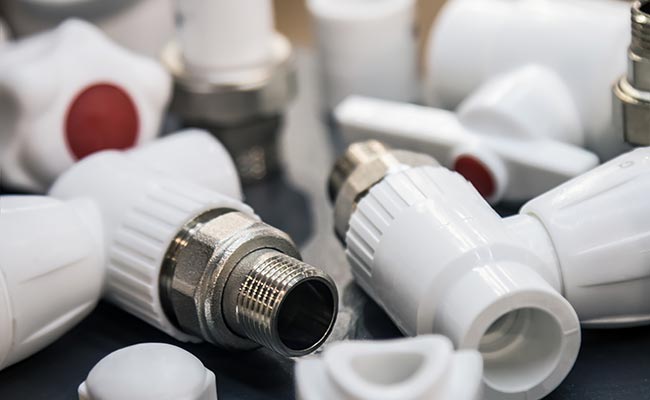
PVC pressure reducing valves, characterized by their lightweight and adjustable pressure capabilities, are gaining traction due to their versatility and reliability. Available in various sizes, from 1/2 inch to 8 inches, these valves are suitable for applications requiring medium pressure levels ranging from 8 to 16 kgs. The use of plastic and rubber materials in their construction provides added durability and resistance to corrosion, making them ideal for handling various fluids without compromising functionality.
Moreover, customization options such as branded logos and tailored packaging are also enhancing the appeal of PVC pressure reducing valves in the market. With minimum order requirements being set at 2,000 pieces, manufacturers can cater to specific client needs while ensuring rapid lead times for orders, thereby improving overall customer satisfaction. This strategic alignment with industry demands positions PVC pressure reducing valves as a pivotal component in advancing fluid control technologies.

FAQS
: When selecting PVC air valves, it's crucial to assess material compatibility with the substances they will encounter, as well as environmental factors such as temperature fluctuations, UV exposure, and moisture levels.
PVC can lose strength in high heat, making it unsuitable for very hot environments, and it can become brittle in low temperatures, which may impair its functionality and durability.
Ensure proper alignment during installation, check for any damage in connecting pipes, use the appropriate PVC cement according to instructions, avoid over-tightening fittings, and position the valve according to the flow direction indicated on its body.
Regular maintenance is vital, which includes periodic inspections for leaks or blockages, cleaning internal components, and checking seals and gaskets for wear to replace them as necessary.
Innovations in materials science, increased focus on energy efficiency, and the integration of technologies like 3D printing and smart valves with IoT capabilities are expected to drive advancements in PVC air valve solutions by 2025.
Smart valves can provide real-time monitoring and control, potentially reducing operational costs by up to 25% while enhancing system efficiency and ensuring compliance with sustainability goals.
UV stabilization is critical to prevent degradation of PVC material when exposed to sunlight, which helps maintain the valve's performance and longevity in outdoor settings.
Regular inspections should be conducted to check for leaks, and seals and gaskets must be monitored for wear and replaced as needed to prevent air loss and ensure efficient operation.
The demand for efficient and sustainable air valve solutions is projected to grow at a CAGR of 6.2% from 2023 to 2028, reflecting a rising need for reliable air management systems in the industrial sector.
Conclusion
When selecting the right PVC air valve for your application in 2025, it is essential to understand the basics, including various applications and key factors that influence functionality. Analyzing different types of PVC air valves through a comparative overview can help identify the best fit for specific needs, taking into account pressure and flow requirements. Material compatibility and environmental factors are crucial in ensuring the longevity and efficiency of the valves.
Furthermore, proper installation and maintenance practices are vital for optimal performance. As technology evolves, keeping an eye on future trends in PVC air valve innovation will aid in making informed decisions that enhance efficiency and sustainability. Understanding these aspects will empower you to choose the most effective PVC air valve for your operational needs.
Related Posts
-

Top 5 Benefits of Using PVC Non Return Valve for Efficient Fluid Control
-

How to Choose the Right Pvc Union Valve for Your Industrial Needs Based on Performance Data
-

Ultimate Guide to 2 Inch PVC Check Valves: Ensuring Optimal Flow Control and System Efficiency
-

Unlocking Efficiency: How PVC Union Valves Can Transform Your Plumbing System
-

Why Investing in Pvc Valve Socket Ends Can Enhance Your Pipeline Efficiency by 30 Percent
-

10 Essential Tips for Choosing the Right PVC Check Valves for Your System

Isabelle
Application

Underground pipeline
Irrigation System
Water Supply System
