
Picking the right PVC Union Valve for your project can sometimes feel a bit overwhelming, right? It's really important to understand what features matter most. Basically, a PVC Union Valve connects two pipes securely but also lets you easily disconnect them when needed — super handy for maintenance or repairs.
When you're shopping around, keep an eye on the size and pressure rating to make sure it’ll fit with your existing setup. Don’t forget to check the quality of the material, because a cheap, low-quality valve could end up leaking down the line. Looks for trusted names like ABC Valves; they tend to be reliable picks.
And hey, mistakes happen! Sometimes, the valve you picked might not fit quite right. So, it’s a good idea to double-check your measurements before you buy. Doing some research or asking around for advice can save you a lot of headaches and money in the long run. There's always a bit of learning involved, but finding the right PVC Union Valve really makes your project run smoother and more efficiently.

Understanding PVC Union Valves and Their Applications
PVC union valves are essential in many plumbing and industrial applications. These valves allow for easy assembly and disassembly of pipes. According to industry reports, over 30% of plumbing systems in commercial buildings utilize these valves. They offer flexibility and reliability, which is crucial for maintaining efficient operations.
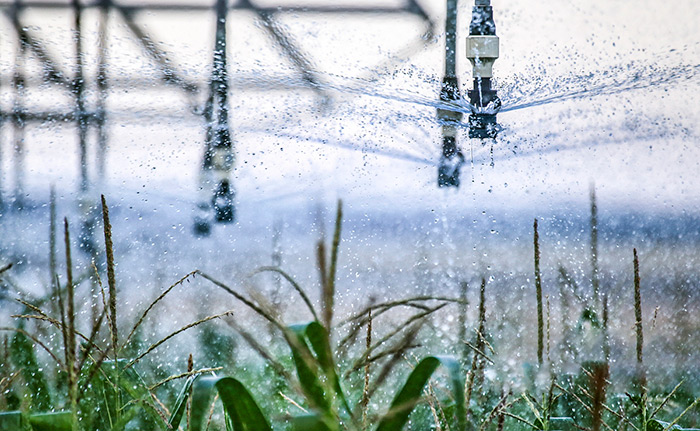
In applications where quick maintenance is necessary, PVC union valves excel. They facilitate fast repairs without disconnecting entire systems. For example, in irrigation systems, using union valves can reduce downtime significantly. However, some users overlook the importance of proper sizing and compatibility with existing pipes. Many issues stem from using mismatched fittings, leading to leaks and pressure drops.
Another point to consider is the working pressure ratings of the valves. PVC union valves generally handle pressures up to 150 PSI. However, exceeding these limits can cause failures. Regular inspections are vital to ensure that the valves maintain their integrity over time. Understanding specific project requirements is key to selecting the right valve type.


Key Advantages of Using PVC Single Union Ball Valve with Blue Handle in Plumbing Systems
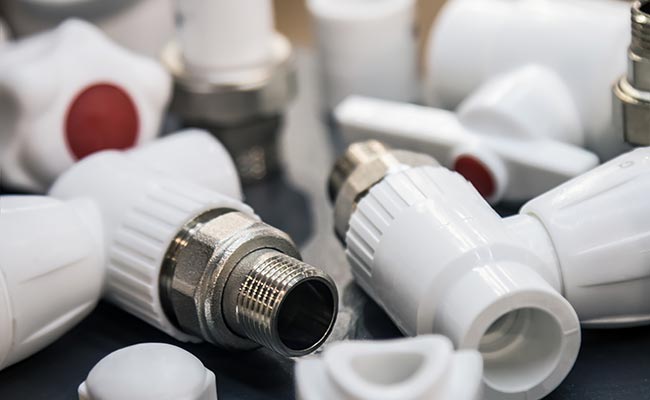
The use of a PVC single union ball valve with a blue handle in plumbing systems presents several key advantages that enhance both performance and functionality. The primary component of this valve is crafted from durable UPVC and CPVC materials, ensuring long-lasting resistance to corrosion and chemical attacks typically present in plumbing applications. This robust construction also allows for a wide range of temperature tolerance, making it suitable for various environments.
One of the standout features of this valve is its ease of use and maintenance. The blue handle not only provides a clear indication of open and close positions but also ensures a firm grip, facilitating smooth operation. Additionally, the union design simplifies installation and removal processes, allowing for quick repairs or replacements without the need for extensive disassembly of plumbing systems. With essential parts, such as the EPDM and FPM O-rings used in the stem and carrier components, users can expect reliable sealing to prevent leaks, thereby enhancing overall system integrity.
Another advantage lies in its versatility. This valve can be utilized in various applications, from residential plumbing to industrial environments, where reliable and adjustable flow control is crucial. The combination of UPVC and CPVC materials ensures compatibility with various fluids, further solidifying its role as an essential component in modern plumbing systems. Overall, the PVC single union ball valve with a blue handle stands out as an ideal choice for those seeking efficient, durable, and user-friendly plumbing solutions.

FAQS
: The content aims to provide useful information and insights about a specific topic.
The intended audience includes individuals seeking knowledge and clarity on the subject matter.
The information can be applied to real-life situations for better understanding and practical use.
Yes, some limitations exist, particularly in the context of variation in user experiences.
Yes, it offers perspectives that may guide users in making informed decisions.
Personal reflections are encouraged, as they can lead to deeper understanding and growth.
Readers should consider that not all information may apply universally to their situation.
Yes, examples help illustrate key points and make the content more relatable.
While the information aims to be factual, readers should verify against additional sources.
Engaging through questions and discussions can enhance understanding and exploration of the topic.
Conclusion
When selecting the right PVC Union Valve for your project, it is essential to understand the various types and applications of these valves. PVC Union Valves are versatile components in plumbing and industrial systems, known for their ease of installation and maintenance. Key considerations include sizing, pressure ratings, and material compatibility to ensure optimal performance in your specific environment.
When choosing PVC Union Valves, one should also take into account environmental factors and the intended application to prevent issues down the line. Proper installation practices and routine maintenance are crucial for longevity and functionality. By carefully evaluating these aspects, you can ensure that you select the most suitable PVC Union Valve for your needs, thereby enhancing the efficiency and reliability of your system.
Related Posts
-

How to Choose the Right Pvc Union Valve for Your Industrial Needs Based on Performance Data
-

Maximize Efficiency: Discover the Innovative Benefits of PVC T Valves in Modern Piping Systems
-
7 Essential Tips for Choosing the Best 6 PVC Ball Valves for Your Projects
-

2025 Top Pvc U Ball Valves for Superior Performance and Durability
-

How to Choose the Best Gf Pvc Valves for Your Needs?
-

Best PVC Y Valves for Optimal Flow Control and Drainage Solutions

Ethan
Application

Underground pipeline
Irrigation System
Water Supply System
