
Picking the right PVC-U valves really can make or break your project. I was chatting with John Smith from Valve Solutions Inc., and he mentioned that, *'The right valve can really boost system efficiency and last longer.'* It’s a good reminder that not all PVC-U valves are equal — they all have different specs depending on what you need.
Honestly, the variety out there today can be pretty overwhelming. It’s super important to take a step back and think about what you actually need. Things like pressure ratings, size, or temperature range might seem minor at first, but ignoring them could cause headaches down the road. If you pick the wrong one, you’re likely to spend more time and money fixing issues later.
Every project is different, so one-size-fits-all advice doesn’t really cut it. It’s a smart move to talk to some industry pros — but, at the same time, don’t rely blindly on recommendations. You should really understand how these PVC-U valves are going to work in your specific setup. Knowing that stuff gives you the confidence to make better choices and helps ensure your project runs smoothly.

Types of PVC-U Valves and Their Applications
When selecting PVC-U valves, understanding their types and applications is crucial. There are several common types: ball valves, gate valves, and check valves. Each serves a unique function in various systems. Ball valves offer fast shutoff and are ideal for high-pressure applications. Gate valves, on the other hand, allow for smooth flow control and are often used in irrigation systems. Check valves prevent backflow, ensuring that liquids flow in one direction only.
Tips: Consider the fluid type when choosing a valve. Certain liquids may react with specific PVC materials. Think about the installation space too. Size constraints can limit your options.
Another key factor is temperature tolerance. Different PVC-U valves have varying limits. For hot water applications, ensure the valve can handle elevated temperatures. Keep in mind, not all PVC-U valves are suitable for every context. Some may degrade over time or become brittle. Regular checks for wear can prevent unexpected failures. Adjust your selection based on actual performance, not just specifications on paper.
How to Choose the Right PVC-U Valves for Your Needs? - Types of PVC-U Valves and Their Applications
| Valve Type | Description | Applications | Pressure Rating |
|---|---|---|---|
| Ball Valve | Allows quick shut-off and flow control | Water Supply, Drainage | Up to 16 bar |
| Butterfly Valve | Used for isolation and throttling | Chemical Processing, HVAC | Up to 10 bar |
| Gate Valve | Provides straight-line flow with minimal pressure loss | Waterworks, Oil and Gas | Up to 20 bar |
| Check Valve | Prevents backflow in a pipeline | Pumping Stations, Industrial Plants | Up to 12 bar |
| Pressure Relief Valve | Regulates pressure levels in systems | Chemical Plants, Water Systems | Up to 8 bar |

FAQS
: It can enhance productivity and improve user satisfaction. Many find it helps save time on tasks.
Some users report challenges during integration. Others find the process straightforward. It may depend on the system.
Technical glitches and compatibility problems can arise. Regular updates might help address some of these.
Users can access online resources or contact support personnel. Response times may vary.
Yes, many users utilize it in various settings. However, performance may differ based on specific conditions.
Checking settings and updating software is a good start. However, some issues might need expert help.
Basic skills are often enough, but advanced features may need training. Users have mixed feelings about the learning curve.
Some users find unexpected fees. It's important to read the terms carefully to avoid surprises.
Updates occur regularly, but the frequency can vary. Staying informed helps users take advantage of improvements.
Many offer limited trials, allowing users to test before committing. Still, some features may be restricted in these trials.
Conclusion
Choosing the right PVC-U valves is essential for ensuring optimal performance in various applications. The article explores the different types of PVC-U valves and their specific uses, helping readers identify the best options for their needs. Key factors to consider when selecting PVC-U valves include pressure ratings, temperature tolerance, and compatibility with the intended medium. Understanding the specifications of PVC-U valves is crucial for making informed choices.
Moreover, the article highlights the advantages of PVC-U valves compared to other materials, such as corrosion resistance and durability. It provides installation guidelines and maintenance tips to ensure longevity and efficiency. Finally, common mistakes to avoid when choosing PVC-U valves are discussed, guiding readers towards a successful selection process. This comprehensive approach equips users with the knowledge necessary for effective valve utilization.
Related Posts
-

What is Pvc-U Valves and Why They Are Essential for Your Plumbing Needs
-

What is Pvc-U Valves and How Are They Used?
-

How to Install a PCV Valve Fitting for Optimal Engine Performance in 2025
-

Exploring the Impact of Upvc Handle Valve Innovations at the 138th China Import and Export Fair 2025
-

How to Choose the Best Upvc Plumbing Fittings for Your Home to Ensure Longevity and Efficiency
-

How to Choose the Right Upvc Sch80 for Your Plumbing Projects

Ethan
Application

Underground pipeline
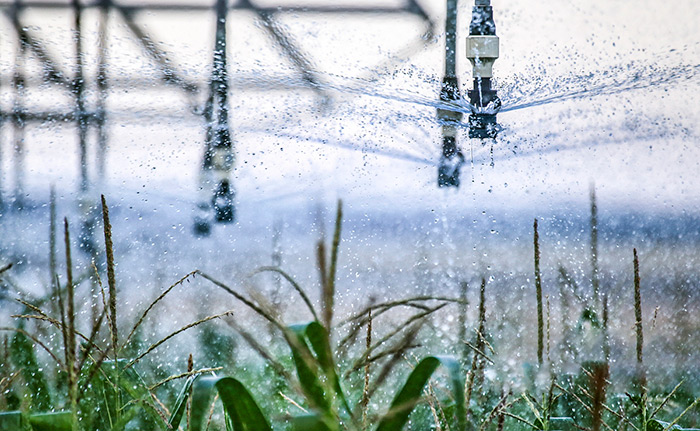
Irrigation System
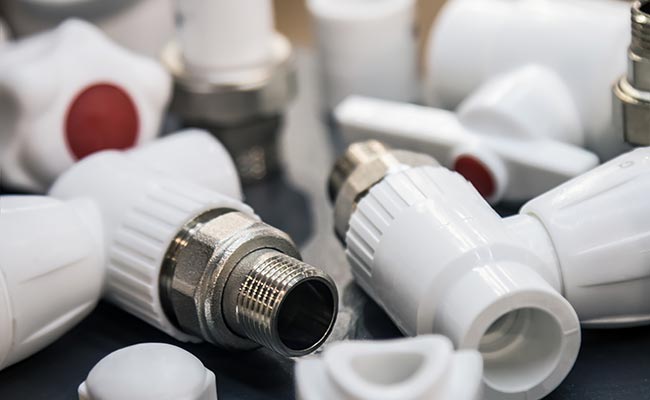
Water Supply System
