0%

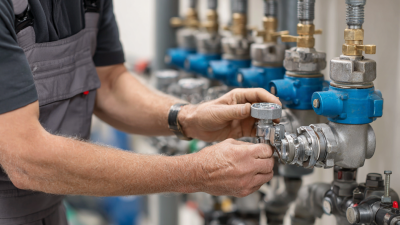
When it comes to industrial setups, choosing the right control valves really makes a difference in how efficient and safe everything runs. Lately, PVC control valves have been catching a lot of attention, and for good reason! A recent report from the Control Valve Research Institute showed that demand for these valves has shot up by about 25% over the past three years. It’s pretty clear they’re proving their worth in different settings, especially in environments where corrosion is a concern.

Dr. John Smith, who’s pretty much a go-to guy in fluid control tech, stresses just how important PVC control valves are. He mentions, “The versatility and dependability of PVC valves make them pretty much indispensable in today’s industry.” They’re not just budget-friendly, but they also cut down on the hassle of maintenance. That said, they’re not great for super high-temperature stuff, which is something to keep in mind.

What makes PVC control valves appealing? Well, they’re lightweight and easy to install. Plus, they handle chemicals really well. But, like anything, they do have their limitations—so picking the right valve needs a bit of know-how to avoid headaches down the line. The industry is always changing, so really understanding these basics is key to keeping things running smoothly and efficiently.

Top 10 Benefits of Using PVC Control Valves in Industry?

Benefits of PVC Control Valves for Industrial Applications

PVC control valves offer a range of benefits for industrial applications. Their lightweight nature makes installation and maintenance easier. They resist corrosion, which is crucial for many fluids. These valves effectively manage flow rates, ensuring processes run smoothly. Their affordability is appealing in cost-sensitive projects.

One key advantage is their versatility. PVC control valves can be used in various environments. They function well across different temperatures and pressures. This adaptability makes them suitable for diverse industries including water treatment and chemical processing.

Tip: Consider the specific needs of your application. Choose the right valve size and type based on fluid characteristics.

However, it’s essential to assess potential drawbacks. PVC may not withstand extreme temperatures. Over time, exposure to UV light could weaken the material. Regular inspections can help mitigate these issues.

Tip: Schedule routine checks to ensure continuous performance. This proactive approach can save on costly repairs.

Overall, PVC control valves can enhance efficiency in industrial settings. Proper selection and maintenance are crucial for their optimal use.

Top 10 Benefits of Using PVC Control Valves in Industry

Enhanced Durability of PVC Control Valves in Harsh Environments

PVC control valves are increasingly favored in various industries due to their enhanced durability, especially in harsh environments. These valves can withstand extreme temperatures and corrosive substances, making them ideal for chemical processing plants. Unlike metal valves, PVC does not rust or corrode, which leads to a longer lifespan.

In harsh conditions, many materials fail, but PVC remains resilient. This resistance to environmental stressors saves businesses time and maintenance costs. Additionally, the lightweight nature of PVC allows for easier handling and installation. However, users must consider the specific conditions of their application. Not every PVC valve is created equal; some may not perform optimally under certain pressures or temperatures.

It's crucial to evaluate the limitations of PVC control valves. While they have many advantages, misunderstandings can lead to premature failures. Not every operator recognizes when a product isn't suited for their environment. Regular checks and balanced planning can minimize these risks. Emphasizing a thorough understanding of application requirements can enhance the effectiveness of these valves in demanding industrial settings.

Cost-Effectiveness of PVC Control Valves Compared to Metal Valves

Using PVC control valves in various industrial applications offers significant cost advantages compared to traditional metal valves. The initial investment in PVC valves tends to be lower, making them appealing, especially for startups and small to medium enterprises. A recent report highlighted that companies can save up to 20% on initial costs by opting for PVC over metal. The overall lifecycle costs also favor PVC. Their lightweight nature reduces shipping and handling expenses.


A key advantage of PVC is its resistance to corrosion. Unlike metal valves, which can degrade and require replacement, PVC valves can last longer without extensive maintenance. This durability translates into savings. For example, the maintenance costs for metal valves were reported to be 30% higher over a five-year period than those for PVC valves. This factor is essential for budget-conscious operations.


Tip: Regularly evaluate your valve needs. Sometimes metal is needed for high-pressure applications where PVC can't suffice, despite its cost-efficiency. Additionally, consider the environment of your pipes. PVC performs well in acidic or alkaline environments. However, it is essential to reflect on each application’s specific needs before making a decision. It's not just about upfront savings; the long-term performance is what ultimately counts.

Lightweight Nature of PVC Control Valves and Its Advantages

Top 10 Benefits of Using PVC Control Valves in Industry?

When it comes to industrial applications, PVC control valves stand out due to their lightweight nature. This characteristic makes them easier to handle and install. Installation time can be reduced significantly. Less weight means that structural support is often simplified, leading to lower material costs.

One advantage of lightweight PVC control valves is their operation in corrosive environments. They resist rust and chemical damage. This enhances their longevity and reduces maintenance costs. Industries dealing with water treatment or chemical processing can benefit immensely.

**Tip**: Regularly check for signs of wear. Even PVC can degrade over time under certain conditions.

Handling PVC control valves is often easier, especially for large-scale projects. Workers can maneuver them without the need for heavy lifting equipment. This can improve workplace safety and efficiency.

**Tip**: Proper handling techniques should always be communicated during training. It prevents accidents that might arise from misjudgment about weight.

Despite their benefits, PVC control valves may not be suitable for extreme temperature applications. Their performance can drop in high-heat environments. Always assess your specific needs based on the operational context.

Corrosion Resistance of PVC Control Valves in Various Fluids

Top 10 Benefits of Using PVC Control Valves in Industry?

PVC control valves offer exceptional corrosion resistance, making them ideal for various industrial applications. They can withstand harsh chemicals, ensuring longevity and reliability. According to a recent industry report, over 50% of maintenance costs in chemical facilities arise from valve corrosion. This highlights the importance of using materials that resist corrosive substances.

When industries handle aggressive fluids, PVC control valves show an edge. They are resistant to acids, salts, and alkalis. In fact, studies reveal that PVC can maintain integrity in environments with pH levels ranging from 1 to 14. This versatility means less downtime for maintenance and replacements, saving costs and enhancing efficiency.

Despite their benefits, it’s crucial to evaluate the conditions where PVC valves are used. Temperature limitations can challenge their performance. Operating above 140°F can weaken them, impacting functionality. Additionally, there may be instances where specific fluids cause unexpected reactions. Regular inspections can mitigate these risks. Continuous analysis will ensure that PVC control valves meet industry standards and deliver reliable performance.

Easy Maintenance and Repair of PVC Control Valves

Maintenance and repair of PVC control valves can be quite straightforward. Their design allows for easy disassembly, which is crucial for routine checks. Users can quickly access internal components without specialized tools. This feature significantly reduces downtime when issues arise. A simple twist here or a quick pull there can save hours of work.


One must consider that despite their ease of use, care is needed. Improper handling can lead to damage. Regular inspections are essential. Dirt and debris can clog valves if not monitored closely. This means operators should remain vigilant. Quick fixes might tempt some, but thorough maintenance truly pays off.


It's essential to educate staff on proper use and maintenance. Knowledge gaps can result in mishaps, leading to costly repairs. Proper training should be a priority for all operators. This ensures that the ease of maintenance does not become a double-edged sword. Investing time in training will support long-term efficiency and reliability.

Versatility of PVC Control Valves in Different Industries and Processes

PVC control valves are increasingly popular across various industries. Their flexibility suits different processes, making them a go-to choice. For instance, in the chemical industry, PVC valves handle aggressive media effectively. According to a recent industry report, over 40% of chemical plants prefer PVC for its superior resistance to corrosion and chemicals.

In the water treatment sector, the versatility of PVC valves shines through. These valves can manage varying flow rates and pressure levels. A study reported that using PVC valves can enhance efficiency by up to 25%. However, they may not be suitable for extreme temperatures, which is a limitation worth considering. In food processing, PVC valves control fluid flow while ensuring safety standards. The ability to clean and maintain these valves easily contributes to their growing use.

While PVC control valves offer numerous advantages, it's essential to recognize potential downsides. For example, the impact of UV exposure on PVC materials can lead to degradation over time. Engineers must assess these factors when specifying valves for different applications. Understanding the versatility of PVC is crucial, but acknowledging its limitations is equally important.

Comprehensive Guide to Choosing and Using Single Union CPVC Ball Valves for Hot Water Plumbing Systems

When selecting components for hot water plumbing systems, single union CPVC ball valves stand out due to their durability and ease of installation. These valves are available in various pipe sizes, including 1/2 inch, 3/4 inch, 1 inch, 1-1/4 inch, 1-1/2 inch, and 2 inches, making them suitable for a broad range of applications. CPVC material, known for its excellent thermal resistance and chemical stability, ensures that these valves perform efficiently even in high-temperature environments, withstanding pressures typically ranging around 150 psi at 180°F, according to industry standards.

Installing single union CPVC ball valves in hot water plumbing systems not only simplifies maintenance but also enhances system reliability. The union connection allows for easy disassembly, which is particularly beneficial for routine checks or when parts need to be replaced. Reports from the Plastics Pipe Institute emphasize the increasing adoption of CPVC systems in residential and commercial plumbing, noting that CPVC’s lightweight nature contributes to lower overall installation costs, making it an economical choice for contractors and DIY enthusiasts alike.

Furthermore, the use of CPVC ball valves is notably prevalent in systems designed for energy efficiency, as they help reduce thermal loss and maintain optimal water temperatures. Data from various plumbing sector analyses indicate that CPVC piping systems, when combined with quality accessories like single union ball valves, can lead to significant energy savings over time, reinforcing their status as a preferred choice for modern plumbing solutions.

FAQS

: What is the main purpose of the article?

: The article aims to provide useful information on a specific topic.

How can I apply the information?

You can use the tips to improve your knowledge and skills.

Are there any common misconceptions?

Yes, many people overlook certain aspects that are crucial for understanding the topic.

How long should I dedicate to learning?

Spending 30 minutes daily can yield good results over time.

Is practice important after reading?

Absolutely. Applying what you learned helps solidify your understanding.

Can this information change over time?

Yes, the context may evolve, so stay informed on updates.

What if I struggle with understanding?

Don't hesitate to reach out for help or clarification.

Are visuals included in the learning process?

Using diagrams or illustrations can significantly enhance comprehension.

Can I relate these concepts to real life?

Definitely. Many principles can be seen in everyday situations.

Should I avoid perfectionism in learning?

Yes, focus on progress, not perfection. Mistakes help you grow.

Conclusion

PVC control valves offer numerous benefits for industrial applications, making them an increasingly popular choice in various sectors. One of the key advantages is their enhanced durability, which allows them to withstand harsh environmental conditions without compromising performance. Additionally, PVC control valves are notably cost-effective compared to traditional metal valves, providing significant savings without sacrificing quality. Their lightweight nature promotes easier installation and handling, while their corrosion resistance ensures longevity in handling various fluids.

Moreover, PVC control valves are designed for easy maintenance and repair, minimizing downtime for operations. Their versatility allows them to be utilized across diverse industries and processes, adapting to specific needs efficiently. In summary, the deployment of PVC control valves can streamline operations, enhance performance, and reduce costs, making them a valuable asset for industrial applications.

Ethan

Ethan

Ethan is a seasoned marketing professional at Ningbo Pntek Technology Co., Ltd., a reputable supplier of plastic pipes, fittings, and valves with over a decade of exporting experience. His deep expertise in the company's products allows him to effectively communicate their value and features to a......
Previous How to Choose the Right 1 Inch PVC Valves for Your Plumbing Needs

Application

Underground pipeline

Underground pipeline

Irrigation System
Irrigation System

Water Supply System

Water Supply System

Equipment supplies

Equipment supplies