
Building your own brand is a great goal, but the OEM process can seem confusing and risky. Buyers often worry about hidden costs, quality control, and large commitments when starting out.
OEM cooperation involves a structured partnership where a supplier manufactures products to your specifications. The process moves from design and mold creation to sample approval and finally, mass production, guided by clear communication and mutual agreements.
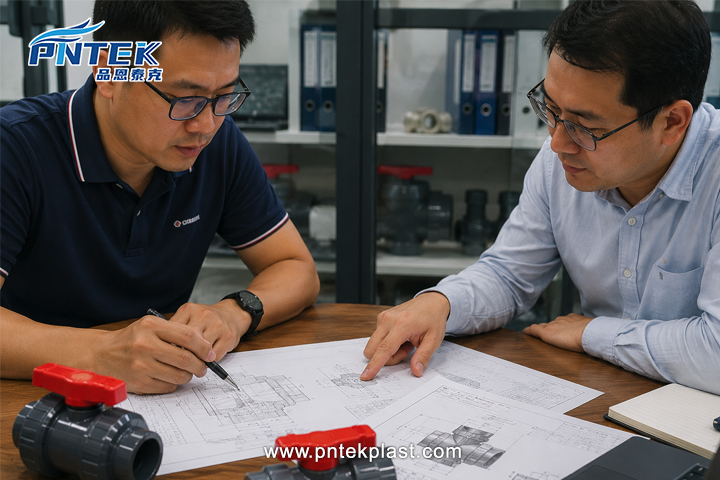
Original Equipment Manufacturer (OEM) cooperation is more than just putting a logo on a standard product. It’s a collaborative effort that allows you to create products tailored to your market and brand identity. For a purchasing manager like Budi in Indonesia, a successful OEM partnership means he can offer unique, reliable products to his customers, setting his company apart from the competition. However, achieving this requires a clear understanding of the process from both the buyer and the supplier. A good partnership is built on transparency, clear expectations, and a shared commitment to quality.
What should buyers expect from OEM PVC valve suppliers in China?
Having unclear expectations about the OEM process can lead to frustration. Buyers might expect instant results, while the reality involves careful planning, development, and production time.
Buyers should expect a structured process covering mold development, transparent costs for customization, and consistent quality tied to an approved sample. Professional communication is the foundation that holds this all together.
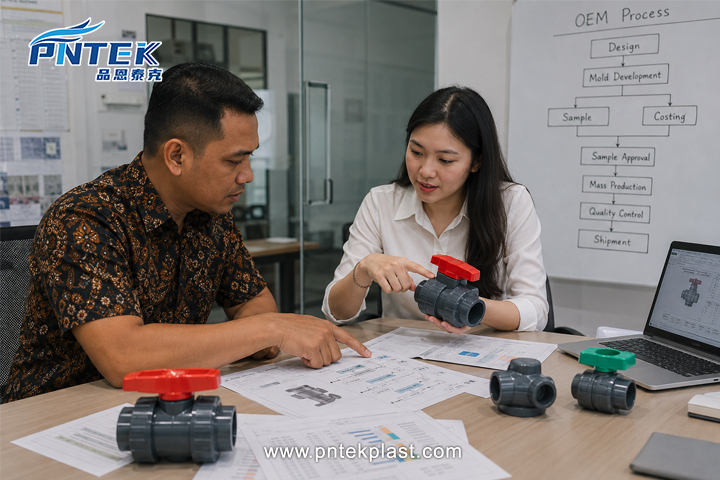
In my experience, the smoothest OEM projects are those where expectations are aligned from day one. A professional supplier won’t just give you a price; they will guide you through the process. They should be able to explain the steps, timelines, and costs involved in turning your idea into a finished product. This isn’t just about making a sale; it’s about building a long-term production partnership that you can rely on for future orders.
Here’s what a buyer should reasonably expect:
Key Deliverables from an OEM Partner
- A Structured Process: A reliable OEM partner will have a clear, step-by-step process. This typically starts with discussing your technical requirements, followed by creating drawings for approval, developing molds, producing pre-production samples, and finally moving to mass production only after you have given final approval.
- Transparent Costing: Customization costs money. A good supplier will break down these costs for you. This includes one-time mold fees (which are sometimes refundable after a certain order volume), costs for custom colors, and any additional charges for special packaging or branding. There should be no surprises on your invoice.
- Quality Consistency: The supplier should commit to the quality of the approved sample. All future production runs should meet this established benchmark. This is often called the “golden sample,” and it serves as the reference for all future quality control inspections.
Ultimately, you should expect your OEM supplier to act as an extension of your own production team, focused on bringing your brand’s product to life reliably.
Can buyers request PVC valve samples before bulk orders?
Committing to a full container order without ever seeing the product is a huge risk. This can lead to receiving thousands of valves that don’t meet your quality standards or specifications.
Yes, requesting and evaluating samples is a standard and essential part of the sourcing process. Suppliers should provide standard samples, while custom OEM samples may require a small fee to cover initial setup costs.
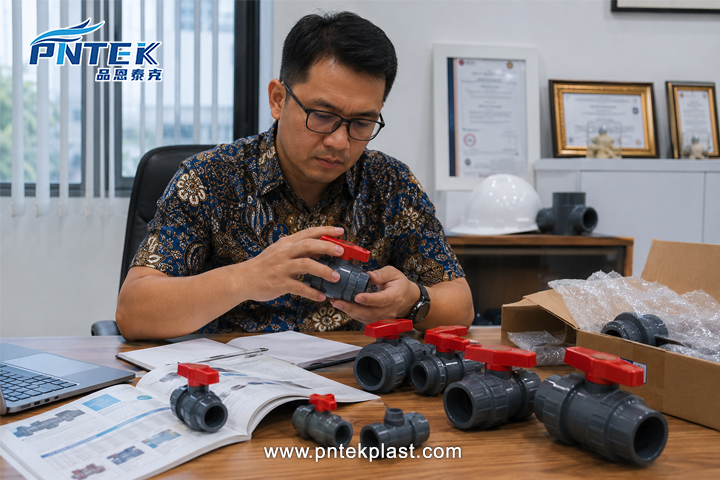
Requesting samples is not a sign of mistrust; it is a sign of a professional buyer. I always encourage clients to test our samples thoroughly. It’s the only way to have complete confidence in what you are buying. This step is critical for managing risk and ensuring that the product you envision is the product that gets manufactured. For a buyer, the sample is the physical contract that defines quality, and no serious supplier should object to providing one.
Here’s a look at the different types of samples:
Understanding Sample Types
- Standard Samples: These are off-the-shelf products from the supplier’s current production. They are useful for quickly evaluating a supplier’s general quality level, material, and finish. Most suppliers will offer these for free, asking only that the buyer cover the courier fee.
- Custom Pre-Production Samples: These are made specifically for your OEM project. They will include your custom color, branding, handle design, or other unique features. Because these require specific setup or even minor tooling adjustments, suppliers often charge a fee for them. This fee is not for profit but to cover the cost of development and to ensure the buyer is serious about the project. This sample, once approved, becomes the “golden sample” and the quality standard for the entire order. Many importers also use the approved sample as the benchmark during final pre-shipment inspections before export.
Think of the sample fee as a small investment in risk management. It ensures the final product will be exactly what you and your customers expect.
What should buyers check when testing PVC valve samples?
You have the sample in your hands, but what should you be looking for? Approving a subpar sample by mistake sets a low-quality precedent for your entire bulk order.
Buyers should conduct a systematic check of physical attributes like dimensions, weight, and surface finish. It is also vital to test functionality, such as handle torque, and check for signs of material quality.
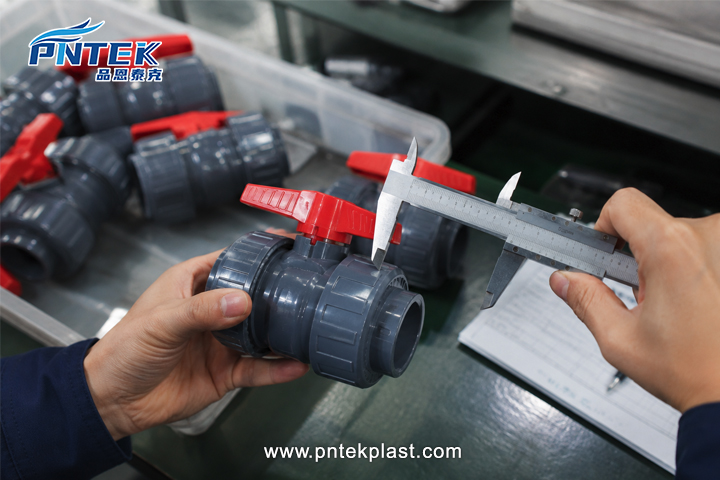
The sample you approve is the benchmark for every single valve that will be produced in your bulk order. This is why a thorough evaluation is so important. From my perspective as a supplier, I want my clients to be critical at this stage. Finding an issue with a sample is easy to fix; finding an issue in a container load of products is a disaster for everyone. A detailed check ensures we are both aligned on the definition of quality before mass production begins.
Here is a practical checklist for sample evaluation:
PVC Valve Sample Evaluation Checklist
| Aspect to Check | What to Look For | Why It Matters |
|---|---|---|
| Visual & Tactile | Smooth surface, no sharp edges (burrs), uniform color, clear markings. | A clean finish indicates a well-maintained mold and good process control. Burrs can indicate poor manufacturing. |
| Dimensions & Weight | Use calipers to check dimensions against the spec sheet. Weigh the valve. | Confirms the valve meets technical specifications. A lighter-than-expected weight can be a sign of using fillers or a non-standard material mix. |
| Functional Test | The force needed to turn the handle (torque). It should be smooth—not too tight or too loose. | A handle that is too hard to turn is impractical. If it’s too loose, the seals may not be engaging properly, risking leaks. |
| Material Quality | Check for a clean, neutral smell. A strong chemical odor can indicate low-grade or recycled materials. | Virgin PVC provides superior strength and durability. Using recycled material can make valves brittle and prone to failure under pressure. |
This checklist helps you move from a subjective “looks good” to an objective, fact-based approval.
For bulk orders, many buyers also establish a separate pre-shipment inspection process before container loading to further reduce quality risks.
Can buyers mix valve sizes and fittings in one container shipment?
Many distributors need a wide range of products but hesitate to order, fearing high minimum order quantities (MOQs) for every single item and size, which can tie up capital.
Yes, most export-oriented suppliers are flexible and allow buyers to mix different valve sizes, types, and related fittings in a single container. This practice is key for efficient inventory management.
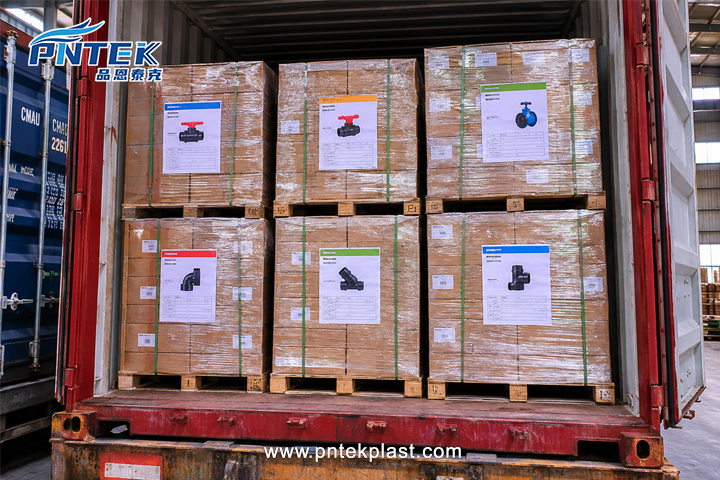
This is one of the most common questions I get from buyers, especially those managing a distribution business like Budi. The answer is almost always yes. For us as a supplier, a 20-foot or 40-foot container is just a volume of space to be filled. We understand that our customers serve a market that demands variety. Forcing a buyer to order a full container of only 1/2″ ball valves when they also need 2″ valves and some pipe fittings doesn’t make good business sense for anyone.
Benefits and Process of Mixed Shipments
- Improved Cash Flow and Inventory: Mixing products allows buyers to order a wider range of SKUs without over-investing in any single one. You can order based on your actual sales velocity rather than being forced to meet a high MOQ for each item. This keeps inventory lean and capital free.
- How it Works: The process is straightforward. You provide a purchase order that lists all the different items and quantities you need. The supplier’s team then gathers these items from the production lines or warehouse. A detailed packing list is created that specifies exactly which items are in which cartons, making it much easier for your warehouse team to receive and stock the goods when the container arrives.
This flexibility is a hallmark of a supplier who understands the realities of the distribution business and is focused on long-term cooperation.
Conclusion
Successful OEM cooperation is built on clear communication, a structured process, and mutual trust. It transforms a supplier into a valuable production partner dedicated to helping you build your brand.
Post time: Jun-03-2026


