0%

PVC gate valves are pretty crucial when it comes to controlling fluids in a bunch of different systems. People love them because they're reliable and pretty easy to work with, which is why they’re so popular in the industry. Like Mark Anderson from Fluid Control Solutions mentioned, "PVC gate valves mix durability with practicality, making them perfect for lots of different uses."

Basically, these valves work with a gate that either lets fluid pass through or blocks it. When you lift the gate all the way up, the flow is completely open. But honestly, keeping these valves in good shape isn’t always a walk in the park. It’s super important to do regular checks for any wear and tear, and make sure they’re resistant to chemicals they’ll come into contact with. If you slack off on maintenance, problems can crop up right when you least want them to.

Getting a good grip on PVC gate valves isn’t just about knowing what they do; it’s also about installing them correctly. Proper installation can really make a difference — it can cut down on leaks and make the whole system run more smoothly. Unfortunately, a lot of folks tend to overlook the importance of sticking to the manufacturer’s instructions. Since the design details can vary a bit from one valve to another, skipping this step might hurt performance. Spending a little extra time learning about how to install and maintain them properly will definitely pay off in the long run.

What is PVC Gate Valves and How Do They Work?

What are PVC Gate Valves?

What is PVC Gate Valves and How Do They Work?

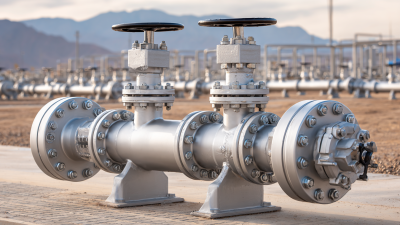
PVC gate valves are essential components in various piping systems. Made from polyvinyl chloride (PVC), these valves control the flow of liquids and gases. Their simple design features a gate that moves up and down, allowing or blocking the passage of fluids. They are lightweight and resistant to corrosion, making them ideal for many applications, including water treatment and irrigation.

When using PVC gate valves, it’s important to consider installation carefully. Over-tightening can lead to valve damage, while under-tightening may cause leaks. Proper alignment during installation ensures optimal functionality. Regular maintenance is key. Inspect for wear and tear, especially in outdoor environments.

Tips: Always check the compatibility of PVC valves with the fluids being transported. Some chemicals can degrade PVC. If uncertain, consult a professional. Moreover, ensure that the pressure ratings of the valve match those of the system to avoid failure.

Understanding the workings of PVC gate valves helps in selecting the right one for your needs. Observe how valve performance may vary under different temperatures and pressures. Not all PVC valves are created equal; their efficiency can vary widely based on quality and usage.

The Structure of PVC Gate Valves

PVC gate valves play a crucial role in various industrial applications. Their structure is specifically designed for controlling fluid flow. Typically, a gate valve consists of a body, a gate, and a bonnet. The gate slides down into the body to block or allow flow. This simple yet effective design enables minimal pressure loss when fully open. According to industry reports, approximately 70% of the fluid transport systems in sectors like water management rely on such valves.

The body of a PVC gate valve is often thick-walled, ensuring high durability under pressure. The sealing mechanism typically employs rubber or elastomer materials for effective sealing. This choice is essential, as it prevents leaks and extends the valve's lifespan. In fact, studies suggest that the right choice of materials can improve the valve's performance by up to 30%. However, the reliance on PVC materials can raise concerns about temperature limitations. PVC gate valves can struggle in extreme temperatures, which may require careful consideration during installation.

Industry data indicates that improper installation can lead to valve failure. Many users overlook the importance of aligning the valve properly. Even slight misalignment can cause undue stress. Regular maintenance checks are vital to ensure longevity and proper function. Maintaining these valves requires a knowledgeable approach, as even minor issues can escalate.

How PVC Gate Valves Function

What is PVC Gate Valves and How Do They Work?

PVC gate valves are essential components in various piping systems. They excel in controlling the flow of liquids and gases. Understanding how they function is vital for effective application. PVC, or polyvinyl chloride, provides durability and resistance to corrosion, making it a popular choice in many industries.

The operation of a PVC gate valve is straightforward. When the handle is turned, a gate inside the valve moves up or down. This movement either opens or closes the flow path. Reports indicate that these valves can maintain a tight seal, reducing leaks by over 90%. This high-performance sealing is crucial in applications where fluid containment is critical.

However, there are challenges. The gate may become stuck due to debris or corrosion buildup. Regular maintenance is necessary to prevent such issues. Some technicians suggest inspecting the valve every six months. While these valves are robust, their effectiveness relies heavily on proper installation and upkeep. It’s clear that while PVC gate valves offer significant advantages, they demand attention to ensure reliable operation.

Applications of PVC Gate Valves

PVC gate valves are widely used in various applications due to their durability and resistance to corrosion. These valves are particularly effective in controlling the flow of liquids and gases in different systems. They are commonly found in irrigation systems, wastewater treatment plants, and chemical processing industries. Their lightweight nature makes them easy to install and maintain.

In irrigation systems, PVC gate valves help regulate water flow. They ensure that crops receive the right amount of water without wastage. In wastewater treatment, these valves manage the transport of water efficiently. This is crucial for maintaining the quality of treated water. They also play a vital role in chemical processing, where precise control of fluids is essential.

Despite their advantages, PVC gate valves have limitations. They may not perform well under extreme temperatures. Additionally, improper installation can lead to leaks or malfunctions. Regular maintenance is necessary to avoid these issues. Users should be aware of these potential challenges when considering PVC gate valves for their systems.

Applications of PVC Gate Valves

PVC gate valves are widely used in various applications due to their durability, resistance to corrosion, and affordability. The data above illustrates the percentage distribution of applications where PVC gate valves are most commonly utilized, highlighting their significance in water supply and irrigation systems.

Advantages of Using PVC Gate Valves

PVC gate valves are an essential component in various plumbing and industrial systems. They are valued for their durability and reliability. One significant advantage of PVC gate valves is their resistance to corrosion. Unlike metal valves, PVC does not rust or corrode, which ensures a longer lifespan. This feature makes them suitable for applications involving harsh chemicals and fluids.

Another compelling benefit is the lightweight nature of PVC. This property simplifies installation and reduces transportation costs. Workers can handle these valves without requiring heavy machinery or lifting equipment. Additionally, PVC gate valves have low flow resistance. Water flows smoothly, allowing for efficient system performance.

However, it’s important to note that while PVC gate valves have many benefits, they may not withstand extreme temperatures. Users need to assess their specific environment and fluid types before selection. This consideration ensures that the chosen valve meets operational demands effectively. Understanding these aspects can help in making informed decisions regarding valve selection.

Maintenance Tips for PVC Gate Valves

Maintaining PVC gate valves is crucial for optimal performance. Regular checks can prevent leaks and ensure smooth functionality. Inspect the valve regularly for signs of wear or damage. Look for cracks and discoloration. A small crack can lead to bigger issues later.

Cleaning is essential to enhance longevity. Use a mild detergent and warm water for cleaning. Avoid abrasive materials, as they can scratch the surface. After cleaning, ensure that the valve is completely dry before reinstallation. This prevents moisture retention, which can lead to corrosion.

Lubrication is another important aspect. Apply a suitable lubricant to the valve stem and threaded components. This reduces friction and prevents sticking. However, too much lubricant can attract dirt, leading to blockages. Monitor the amount applied and adjust as needed. Routine maintenance helps ensure your PVC gate valves function reliably for years.

What is PVC Gate Valves and How Do They Work? - Maintenance Tips for PVC Gate Valves

Aspect Details
Material PVC (Polyvinyl Chloride)
Common Uses Water supply, irrigation systems, and drainage applications
Function To control the flow of liquid within a piping system
Types Hand-operated and automated gate valves
Advantages Corrosion-resistant, lightweight, cost-effective
Maintenance Tips Regular inspection, ensure proper function, remove debris
Lifespan Typically 10-20 years, depending on usage and environment

Common Issues and Troubleshooting PVC Gate Valves

PVC gate valves are common in various piping systems. However, users may face several issues that require troubleshooting. One frequent problem is leakage at the valve seals. This can occur due to wear and tear or improper installation. Checking the condition of the seals can often reveal whether they need replacing.

Another common issue is incomplete opening or closing of the valve. This can be due to debris obstructing the valve mechanism. Regular maintenance is essential. Cleaning the valve and ensuring nothing is lodged inside can help restore full functionality. Additionally, improper valve alignment can lead to operational problems. Ensuring the valve is correctly installed will minimize these risks.

Users often overlook these issues, thinking they are minor. However, neglecting maintenance can lead to more significant problems in the long run. Observing how the valve operates is crucial. Any unusual noises or resistance in movement should prompt immediate inspection. Your PVC gate valves can function well for years, but proactive care is essential to avoid complications.

Optimizing Fluid Control Systems: The Essential Role of PVC Gate Valves in Modern Applications

In modern fluid control systems, the role of gate valves cannot be overstated, particularly when using materials like PVC. PVC gate valves offer exceptional corrosion resistance and durability, making them ideal for a variety of applications, including water treatment, chemical processing, and irrigation systems. Their robust design ensures reliable performance even in demanding conditions, which is crucial for maintaining control over fluid dynamics.

The construction of PVC gate valves typically includes a combination of materials that enhance their functionality and lifespan. For instance, the valve body and cap are made from UPVC, chosen for its strength and resistance to harsh chemicals. The sealing components, such as the seat and O-ring, are crafted from EPDM and NBR, which provide excellent sealing capabilities and withstand temperature fluctuations. Moreover, the use of stainless steel (1Cr13) for the valve stem and bolts adds an extra layer of durability, ensuring the valve maintains integrity under pressure.

Additionally, attention to detail in the design of these valves, including the ergonomic handle made from ABS and the structured key from UPVC, allows for ease of operation. The combination of these materials and the thoughtful engineering of PVC gate valves make them an essential component in optimizing fluid control systems, resulting in efficient and reliable performance across various industries.

FAQS

: What is the main purpose of PVC gate valves?

: PVC gate valves control fluid flow in various industrial applications. They enable effective management of liquids and gases.

What are the main components of a PVC gate valve?

A PVC gate valve typically consists of a body, a gate, and a bonnet. These parts work together to control flow.

How does the sealing mechanism in PVC gate valves work?

The sealing usually employs rubber or elastomer materials. This prevents leaks and extends the lifespan of the valve.

What challenges do PVC gate valves face?

PVC gate valves can struggle in extreme temperatures. This is important to consider during installation and use.

How often should PVC gate valves be maintained?

Regular maintenance checks are vital. Technicians recommend inspecting every six months to prevent issues.

Why is proper installation important for PVC gate valves?

Improper installation can lead to valve failure. Even slight misalignment can cause undue stress and malfunction.

What applications commonly use PVC gate valves?

These valves are used in irrigation systems, wastewater treatment, and chemical processing. They help ensure efficient flow management.

Can debris affect the performance of PVC gate valves?

Yes, debris can cause the gate to become stuck. Regular cleaning and inspection help prevent such problems.

What could happen if PVC gate valves are not maintained?

Without proper maintenance, minor issues can escalate, leading to leaks or malfunctions that affect the whole system.

What is a notable advantage of PVC gate valves?

PVC gate valves can maintain a tight seal, reducing leaks by over 90%. This is crucial for fluid containment.

Conclusion

PVC gate valves are essential components in various piping systems, designed to control the flow of liquids and gases. These valves are constructed from polyvinyl chloride (PVC), offering durability and resistance to corrosion. The typical structure includes a gate mechanism that moves up and down to open or close the valve, providing a tight seal when not in use.

The functionality of PVC gate valves relies on their simple design, allowing for a straight-through flow when fully opened, minimizing pressure loss. They are widely used in applications such as irrigation, wastewater management, and chemical processing due to their lightweight nature and ease of installation. Key advantages include low maintenance requirements and cost-effectiveness. However, regular maintenance is advised to ensure optimal performance and troubleshoot common issues such as leaks or blockages. Overall, PVC gate valves represent a reliable choice for effective flow control in a variety of settings.

Ethan

Ethan

Ethan is a seasoned marketing professional at Ningbo Pntek Technology Co., Ltd., a reputable supplier of plastic pipes, fittings, and valves with over a decade of exporting experience. His deep expertise in the company's products allows him to effectively communicate their value and features to a......
Previous Why is PCV Valve Fitting Important for Engine Performance?
Linkedln Facebook E-mail WhatsApp
Request A Call Back
Click to ChatI'm online now.
Hello.This is Kimmy from PNTEK. How can l assist you today?
WhatsApp Us
🟢 Online | Privacy policy
Leave Your Message