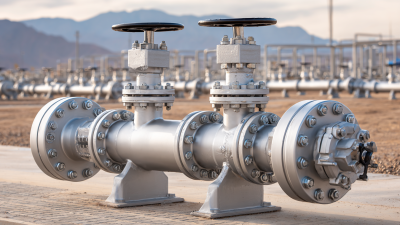
When you're working on different projects that need fluid control, PVC gate valves are often a top pick. They come with quite a few perks that make them suitable for everything from home setups to industrial steps. Getting a good grasp of what PVC gate valves can do might actually boost your project results quite a bit.
These valves are pretty reliable when it comes to sealing, and they're resistant to corrosion and chemicals—perfect if you're dealing with rough environments. Plus, they’re lightweight, which means installing them isn’t a headache and often requires less effort. And the best part? They usually don’t break the bank compared to other materials, so they can really help keep your project costs down.
That said, it’s important to keep their limits in mind too. For example, they might not hold up in extreme temperatures like metal valves do. So, a little bit of evaluation before making a choice is definitely worth it. All in all, PVC gate valves can be a pretty solid option, blending good performance with good value for your projects.

Top 10 Benefits of Using PVC Gate Valves for Your Projects
PVC gate valves offer numerous benefits for various projects, making them a popular choice among engineers and contractors. One notable advantage is their durability. They can withstand harsh environmental conditions, which prolongs the lifespan of your system. Additionally, PVC valves are resistant to corrosion, ensuring reliable performance in water and chemical applications.
Ease of installation is another key benefit. PVC gate valves are lightweight, simplifying transportation and handling on site. Their straightforward design allows for quick assembly, reducing labor costs. Moreover, they provide excellent flow control. Users can easily open or close the valve with a simple turn, allowing for precise regulation of liquid flow.
However, it’s essential to consider some limitations. PVC gate valves may not perform well under extreme temperatures. Their functionality can diminish if exposed to prolonged heat. Regular maintenance is necessary to ensure optimal performance. Understanding these aspects can help you make informed decisions in your projects.
Understanding PVC Gate Valves and Their Role in Fluid Control
PVC gate valves play a crucial role in fluid control systems across various industries. These valves are made from polyvinyl chloride, known for durability and resistance to corrosion. Research indicates that the global PVC valve market is expected to grow at a rate of 7.1% annually through 2027. Their ability to manage fluids efficiently makes them an attractive choice for many projects.
In practical applications, PVC gate valves offer significant benefits. They are lightweight, making them easier to install and maintain. Additionally, these valves provide a full flow area, which minimizes pressure loss in piping systems. Notably, studies have shown that PVC gate valves can reduce energy consumption by up to 20% compared to metal alternatives. This reliability is key for projects requiring precision in fluid flow management.
Despite their advantages, some professionals express concerns about durability under extreme conditions. High temperatures and pressures may compromise their reliability. Regular inspections are essential to ensure optimal performance. Understanding these limitations allows for better decision-making in fluid control applications.
Cost-Effectiveness of PVC Gate Valves in Long-Term Applications
PVC gate valves have emerged as a cost-effective choice for many long-term applications. According to a recent industry report, projects utilizing PVC gate valves can see savings of up to 30% in installation and maintenance costs compared to traditional materials. This is particularly relevant for large-scale projects where budget constraints are crucial. The light weight of PVC reduces transportation costs and labor efforts, making it easier to handle on-site.
In addition to upfront savings, durability enhances the overall cost-effectiveness of PVC gate valves. They resist corrosion, which reduces the frequency of replacements. A study from the American Society of Civil Engineers notes that PVC can last up to 50 years with proper care. This makes PVC a reliable long-term investment. However, not all applications benefit equally from these valves. A careful assessment is necessary to ensure PVC gate valves align with specific project needs and environmental conditions. Using PVC requires thoughtful consideration of factors like pressure and temperature to avoid potential failures.
Top 10 Benefits of Using PVC Gate Valves for Your Projects
| Benefit |
Description |
Long-Term Cost Impact |
| Durability |
PVC gate valves last longer than metal counterparts, resisting corrosion and wear. |
Reduces replacement costs over time. |
| Lightweight |
Easy to handle and install, minimizing labor costs. |
Lower installation time translates to cost savings. |
| Chemical Resistance |
Suitable for various chemicals, making them ideal for many applications. |
Reduced need for specialized valves for different chemicals. |
| Cost-Effectiveness |
Lower initial purchase price compared to metal valves. |
Lower upfront investment saves on projects. |
| Easy Maintenance |
Requires less frequent maintenance and fewer repairs. |
Saves money on ongoing maintenance costs. |
| Versatility |
Can be used in various applications, including residential and industrial. |
Minimizes the need to stock multiple valve types. |
| Environmentally Friendly |
PVC is recyclable and reduces the carbon footprint. |
Lowers disposal costs versus conventional materials. |
| Non-toxic |
Safe for potable water applications. |
Potentially lowers regulatory compliance costs. |
| Smooth Flow |
Offers minimal flow resistance. |
Enhances system efficiency, reducing energy costs. |
| Long Lifespan |
Typically lasts for decades with proper installation. |
Fewer replacements result in significant savings over the years. |
High Corrosion Resistance: A Key Advantage of PVC Materials
When it comes to construction projects, choosing the right materials is crucial.
PVC gate valves offer high corrosion resistance, which is an essential benefit. Unlike metal valves,
PVC doesn’t rust. This resistance to corrosion extends the life of the valves. It reduces the need for frequent replacements.
Water and chemicals can damage metal. However, PVC stands strong against these elements.
Engineers and project managers value this characteristic. Using PVC gate valves can improve overall project efficiency.
Fewer replacements mean less downtime. It allows crews to focus on the task at hand.
In environments with high humidity or corrosive chemicals, PVC shines.
It withstands harsh conditions without deteriorating.
It's worth noting that while PVC has its advantages, it may not suit every scenario.
Professionals must evaluate the specific circumstances of each project.
Understanding the limitations of PVC can lead to better decision-making. Balancing benefits with potential challenges is key.
PVC gate valves can be a valuable option for many applications. But, critical thinking about their use is essential.
Lightweight and Easy Installation Advantages of PVC Gate Valves
PVC gate valves are gaining popularity for various projects due to their lightweight nature. Unlike metal valves, they are easier to handle. This characteristic makes installation convenient and quick. Workers can easily transport these valves to different locations, reducing labor costs. The reduced weight also lowers the risk of injury during handling.
When it comes to installation, the simplicity of PVC gate valves shines through. They often require fewer tools than traditional metal options. This means less time spent on each installation. However, one must still consider whether the installation team is experienced with PVC materials. Misalignment during installation can lead to future issues. Working with PVC requires careful attention to detail, as improper handling might compromise their effectiveness. Overall, the ease of installation is a key factor, but expertise remains essential.
Durability and Longevity of PVC Gate Valves Compared to Metal Valves
PVC gate valves offer remarkable durability and longevity, often outpacing their metal counterparts. According to industry reports, PVC valves can last over 50 years under optimal conditions. In contrast, metal valves are prone to corrosion. This weakness significantly shortens their lifespan, especially in harsh environments. PVC’s resistance to chemicals and moisture makes it a preferred choice in various settings.
Additionally, PVC gate valves are lightweight, which simplifies installation and maintenance. This characteristic can lead to labor cost savings, as fewer resources are needed for handling and fitting. A recent survey indicated that projects using PVC valves reported a 30% reduction in installation time compared to metal valves. However, achieving the ideal performance from PVC requires proper selection and installation practices.
While PVC does excel in certain areas, it might not be suitable for extreme pressure applications. Engineers must evaluate specific project needs carefully. Despite these considerations, the numerous benefits of PVC gate valves make them a valuable option in many projects. The accuracy in performance metrics emphasizes that PVC can often outperform metal valves in widespread applications.
Environmental Impact and Sustainability of Using PVC Valves
The use of PVC gate valves has gained traction due to their environmental benefits. Unlike metal valves, PVC valves are made from non-toxic materials and don’t corrode. This reduces the chances of leaching harmful substances into the environment. Their lightweight nature also allows for easier handling, which cuts down on fuel consumption during transportation. This sustainable choice minimizes their carbon footprint.
However, there are some considerations. PVC is derived from fossil fuels, raising concerns about its long-term sustainability. While they resist degradation, the recycling processes for PVC can be complicated. Most PVC products end up in landfills, contributing to plastic waste. It is essential to explore ways to recycle or utilize these valves effectively.
Educating stakeholders about the life cycle of PVC valves is crucial. From production to disposal, understanding environmental impacts can lead to better decision-making for future projects. Balancing convenience with sustainability is a challenge. Proper management and innovative recycling methods can enhance the lifecycle of PVC valves, making them a more responsible choice for various applications.
Top 10 Benefits of Using PVC Gate Valves
This chart illustrates the benefits of using PVC gate valves in various projects, highlighting their environmental impact and sustainability compared to traditional materials.
The Ultimate Guide to Choosing the Right PVC Gate Valve for Your Needs
When choosing the right PVC gate valve, understanding the specifications of each component is crucial for ensuring optimal performance and longevity. The primary materials used in these valves play a significant role in their functionality and resistance to various environmental factors. For instance, the valve body is made from UPVC, which offers excellent chemical resistance and durability. This material choice ensures that the valve can withstand harsh conditions without compromising its structural integrity.
In addition to the body, other components, such as the valve gate, bolt, and stem, are made from materials like PP and 1Cr13 stainless steel, which enhance strength and corrosion resistance. The seat, crafted from EPDM and NBR, ensures a tight seal, preventing leaks and maintaining pressure within the system. The incorporation of high-quality materials throughout the valve construction not only improves reliability but also extends the service life of the valve, making it a worthwhile investment for various applications.
When selecting a PVC gate valve, considering these material specifications will help you find a product that meets your specific needs, whether it's for industrial, agricultural, or residential use. Make sure to evaluate each component's characteristics to ensure that the valve will perform effectively in your intended environment.
FAQS
: PVC gate valves are made from polyvinyl chloride, known for its durability and corrosion resistance.
They are lightweight, offer a full flow area, and can reduce energy consumption by up to 20%.
Projects can save up to 30% in installation and maintenance costs compared to traditional materials.
With proper care, they can last up to 50 years according to industry studies.
Yes, high temperatures and pressures may affect their reliability and performance.
Regular inspections are essential to ensure optimal performance and catch potential issues early.
Not all applications benefit equally; careful assessment of pressure and temperature is crucial.
Their resistance to corrosion reduces replacement frequency, enhancing long-term cost-effectiveness.
Yes, limitations under extreme conditions should be considered before use in specific projects.
PVC can be effective, but understanding the project needs is vital for achieving reliable results.
Conclusion
PVC gate valves offer significant advantages for fluid control in various projects. One of their primary benefits is cost-effectiveness, especially in long-term applications, as they typically require lower maintenance and replacement costs compared to traditional materials. Additionally, PVC gate valves exhibit high corrosion resistance, making them ideal for environments where water and other fluids can cause deterioration. Their lightweight nature ensures easy installation, contributing to reduced labor costs.
Moreover, the durability and longevity of PVC gate valves surpass those of metal valves, providing reliable performance over time. Lastly, with an increasing focus on environmental sustainability, the use of PVC gate valves aligns well with eco-friendly practices, as they can be recycled and contribute to reducing overall environmental impact. Overall, integrating PVC gate valves into your projects can lead to enhanced efficiency, reduced costs, and better environmental outcomes.